Skip to content
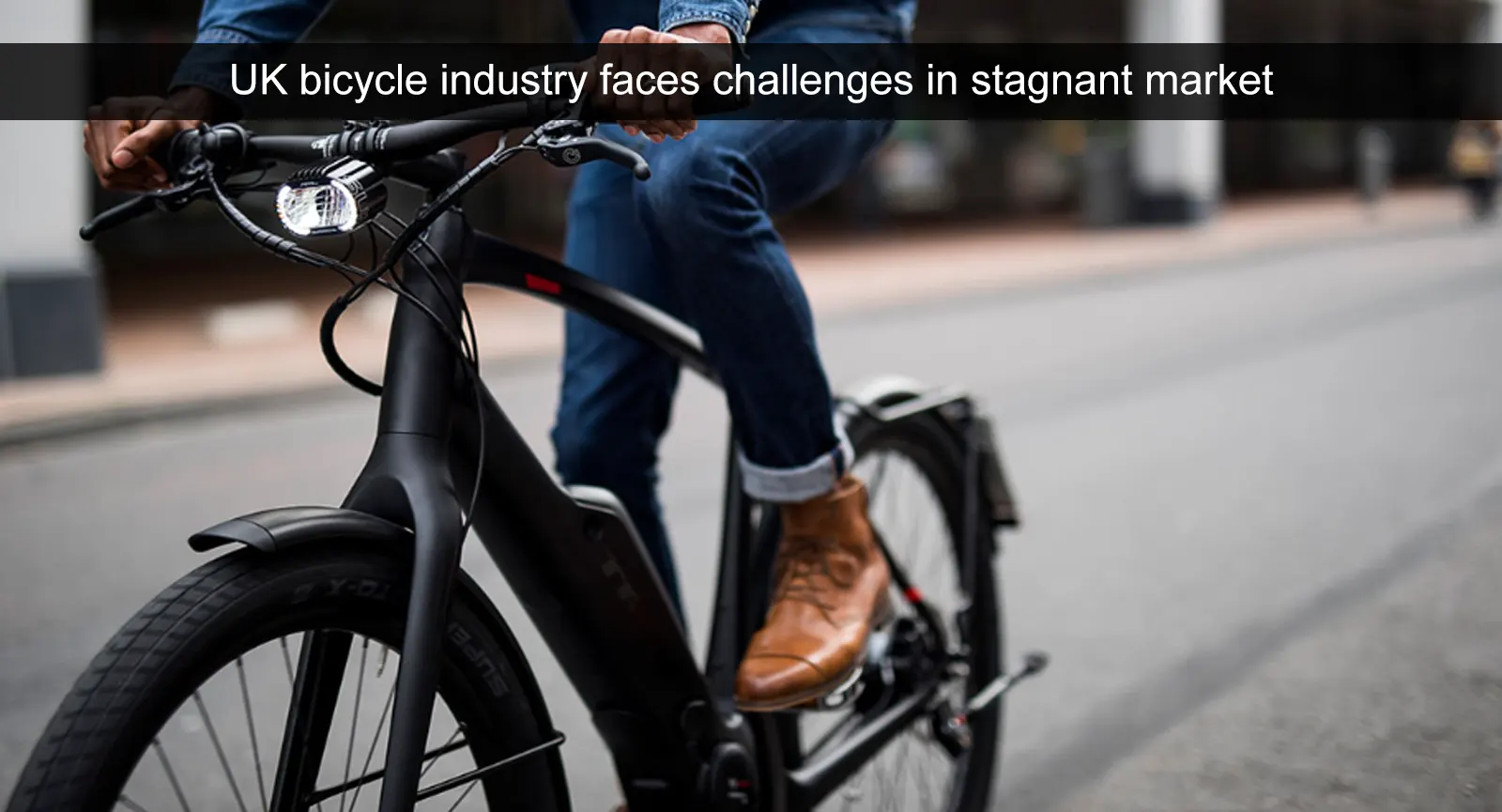


According to the Bicycle Association, sales of mechanical bicycles fell by 5% in 2023, reaching the lowest level of bicycle sales this century, and sales of e-bikes fell by 7%.
The popularity of e-bikes in the UK market is progressing slowly, with e-bike market share at just 9% of the total and 31% of the value, three times lower than its European counterparts.
The European market average is 27%, with mature markets such as the Netherlands, Germany, Belgium and Austria averaging around 50%.

The technology sector has been hit hardest by the bike market downturn, down 34% in the first half of 2023 compared to the same period in 2022, and PAC (parts, accessories, clothing) has also been affected, down 15% in the same period.
The market for electric mountain bikes has remained up, but the UK e-bike market as a whole has declined, and overall sales, as well as the use of technology, are still lagging behind Europe.
The current market situation in both the UK and Europe can be described as “stagnation”.
There is a surplus of low to mid-range inventory, sales of higher-end models are starting to wane, price cuts are not stimulating consumers to consume excess inventory, and inflationary price increases are making bikes a luxury item for which demand has been drastically reduced.
Well-known brands such as Trek, Specialized and Cannondale(top 20 electric bike manufacturers in the world) have responded with pricing strategies and discounts on almost all of their products. Leading brand executives say it will take a conservative three to five years to remove excess merchandise from the supply chain.
Imports of mechanical bicycles are expected to be 34% lower in 2023 than in 2022, down to 1.56 million units, according to HMRC, the UK customs authority.

Imports of e-bikes fell 18% to 210,000 units in 2023, with imports falling sharply but still exceeding consumer demand, and in just one year the UK faced the closure of a number of major companies, including the management of WiggleCRC and Accell Group, which announced the closure of their prestigious Rowley in Nottinghamshire headquarters in Nottinghamshire.
Despite the current challenging market conditions, Baker says that “the traditional bicycle market has largely bottomed out due to falling consumer demand and is set for a slight recovery in 2024.
Excess inventory and discounting will weaken the performance of many companies, but there are opportunities, as inflation is falling in the UK, where it has increased more than in other developed countries.
Forecasts suggest that real disposable household income per head will fall by 1.5% in 2024 before increasing by an average of 1.5% between 2025 and 2028.”
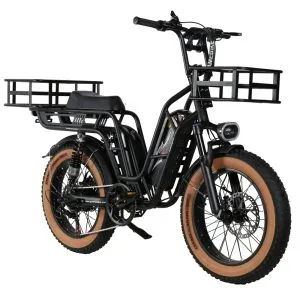
Cargo bikes, the main delivery vehicle for many logistics companies, are bucking the growth trend.
According to the British Cycling Association, cargo bike sales(best e-cargo bike) have seen rapid growth due to the UK’s ban on the sale of new fuel vehicles and the City of London’s expansion of its Ultra-Low Emission Zones (ULZs), with sales of electric cargo bikes increasing by 30% in the year to May 2023, according to the company.
In addition, the Q3 financial report of the UK retailer Halfords showed that while the bike market saw a 28% drop in sales from pre-epidemic levels, the shredding sector as a whole grew by 11%, with the road cycling sector growing by 8%.

Just because the UK economy is in recession by 2023 doesn’t mean the bike market will stagnate.
According to AA Car Finance, one in six motorists plans to replace their vehicle this year, providing a potential market opportunity for the cycling industry. However, this market opportunity is not so easy to seize.
Many consumers may think that bicycles are more dangerous than cars, or that they are not suitable for activities such as shopping, in addition to not seeing cyclists in their daily lives, which makes consumers less willing to buy a bicycle.
In response to the lack of consumer willingness to buy, bicycle manufacturers(electric bike manufacturer) and sellers may need to rethink their products and marketing strategies.
For example, promoting electric cargo bikes as an alternative to a second family car, whilst cities such as London have created a growing network of segregated cycle lanes, and improved infrastructure may make cycling a more attractive option, in addition to renting bikes may also become a popular solution.
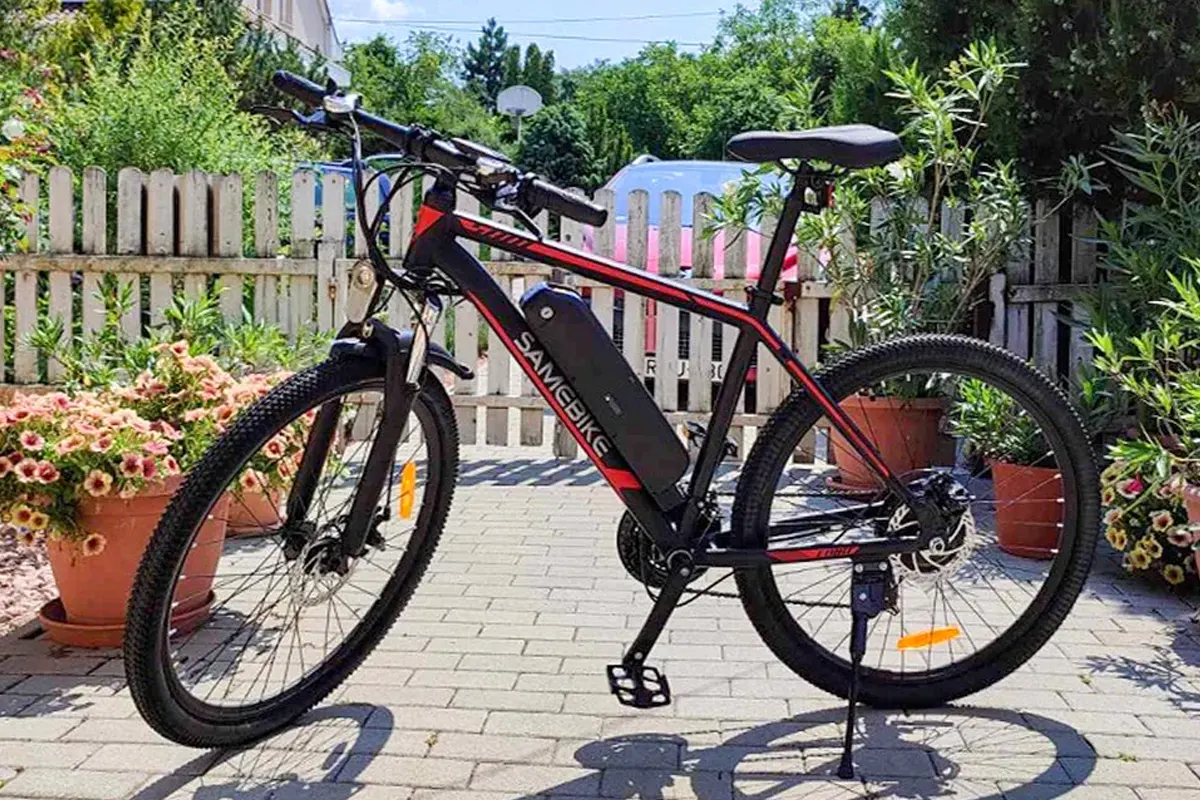
Research by AA Car Finance shows that only 6% of consumers plan to opt for leasing when purchasing a new car in 2024, but leasing could be a favorable enabler for the growth of the bike market.
The UK Government’s National Travel Survey 2022 shows that the most common purpose for car travel is leisure (31% of trips), followed by shopping (20%), commuting (16%) and other (12%), and while commuter cycling has been recognized as a category in its own right, it seems that cycling is not as popular for everyday use.
Manufacturers do equip bicycles with a lot of storage gear, but the use of cars for shopping trips is even more frequent than commuting trips, suggesting that there may be a direction for products to be adjusted to actual consumer needs.
In the longer term, the core cycling market in the UK is focused on leisure and sport cyclists, but there is scope for market growth in other categories.


 English
  German
  Italian
  Dutch
Dutch  Danish
  French
  Spanish
  Finnish