Skip to content
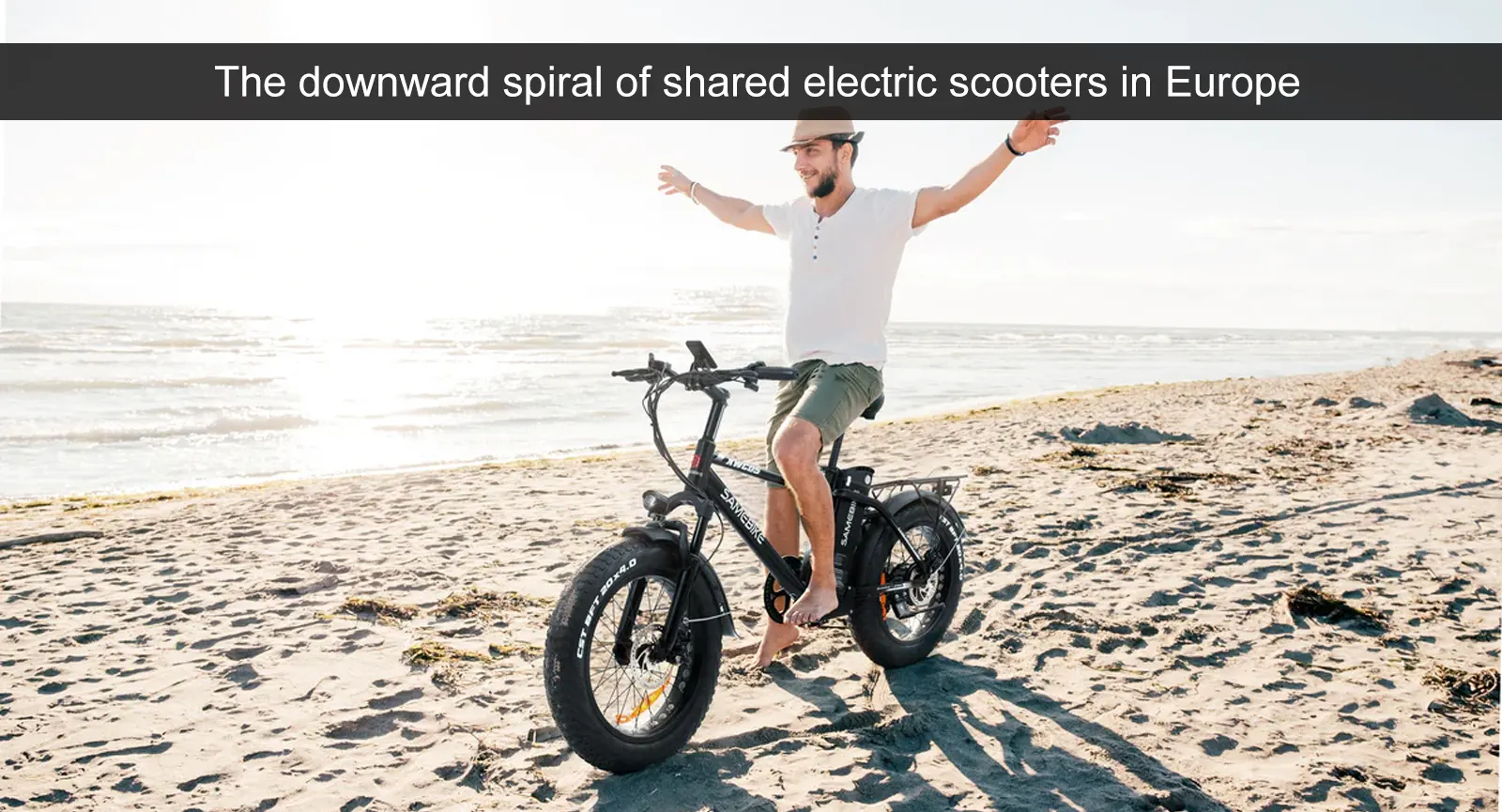


According to a recent report by Amat (Agency for Mobility, Environment and Territory), in January 2024, the number of people using scooters fell by 30.98%.
In 2023 alone, indiscriminate parking of shared scooters and electric bikes in the Piedmont capital resulted in up to 1,140 fines and 2,847 sanctions.

According to 2022 Aci-Istat data, Italy had 2,929 accidents involving e-scooters in one year alone, resulting in 16 deaths, reaching a 78% increase in 2021.
Safety concerns have made consumers shun such products, with more users turning to e-bikes, and according to the data, the number of shared scooter users is growing (+27.05%).
The decrease in the number of people travelling on shared e-scooters means not only shrinking revenues for operators, but also an increased financial burden because they still have to bear the costs of daily maintenance(daily maintenance of e-bike), so they choose to recall their vehicles and reduce their launches to ease financial pressure.

In December 2023, 500 shared electric scooters provided by the American company Link in Turin were withdrawn.
In Rome, 900 scooters circulate in the historic center: the three companies serving the capital have only 300 devices each.
The tender for the commissioning of a scooter rental service by the Municipality of Palermo has also been suspended.

Bit Mobility has informed the Municipality of its decision to terminate operations before the natural expiry of the contract (August 31, 2024), and following consultation Bit Mobility has chosen to halve the number of e-scooters to be offered for short-term rental(electric bike rentals near me) from the current 400 to 200.
In 2023, not only the number of scooter rentals declined, but also the number of sales fell significantly (-70%).
Consumer demand for such products is beginning to decline, and with safety concerns, investors are naturally more cautious about investing in the expansion of such vehicles.
With fewer users using shared services and the number of devices available plummeting, the market is stuck in a vicious cycle.

Flaws in the products themselves have caused them to decline in the market, but government regulations have accelerated the industry’s decline.
Last year, the Italian government announced it was adopting new rules that would ban electric scooters on city streets in an effort to reduce accidents and prevent their placement from interfering with sidewalk use.
The Cabinet’s new regulations also require riders to wear helmets(best bike helmets) and have insurance, while e-scooters must be licensed.
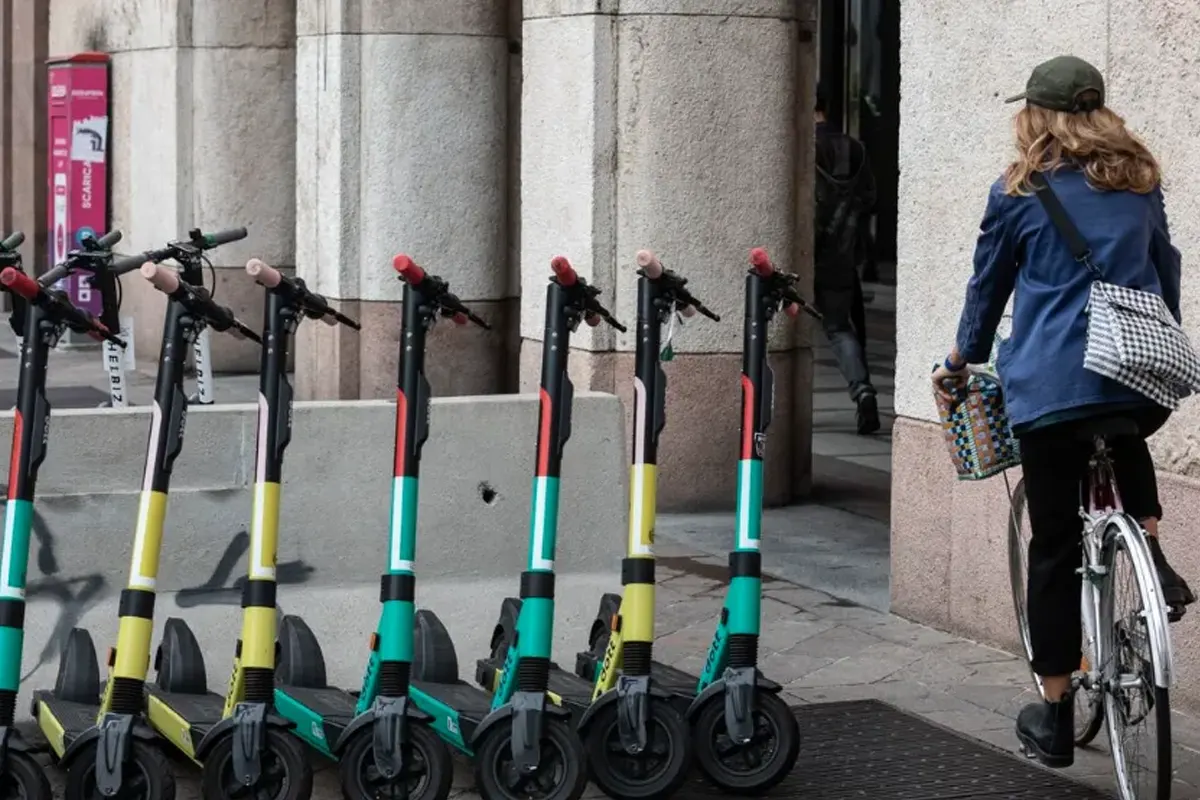
The various regulations introduced have raised the bar for the use of shared e-scooters, and users are turning to other means of transportation.
The imbalance between enterprises’ income and expenditure is the main reason why shared electric scooters are gradually bidding farewell to the market.
In order to accelerate market penetration, many companies have made large investments in IT equipment, infrastructure and systems, but the returns have not met expectations. Another problem is that no one uses them anymore.
The number of scooter-related deaths has increased dramatically, and consumer skepticism about the safety of the product has led to a drop in demand, further reducing the popularity of this mode of transportation, and a product without people using it is just a castle in the air, even if the market is large.




 English
  German
  Italian
  Dutch
Dutch  Danish
  French
  Spanish
  Finnish