Skip to content

Western policy makers have been closely monitoring the threat posed by Chinese automakers to employment in the automotive industry, as their hybrid and electric vehicles are leading their competitors in the United States and Europe.
At the same time, Chinese companies have been strengthening another low-key electric two wheeler field in their domestic market – now Chinese electric vehicle manufacturers are seeking to expand their products globally.


Global electric vehicle market
The global electric bicycle market is expected to reach nearly 10.27 billion US dollars in 2023, and is projected to grow at a compound annual growth rate of 12.0% from 2024 to 2030, showing an expanding trend. Europe, Japan, and the United States are the main participating regions and countries in the global electric assisted bicycle market.
The latest survey shows that the global electric bicycle market will experience significant growth, expected to reach over 102.64 billion US dollars by 2031.

Chinese market saturated
China’s annual sales of electric two wheelers exceed 45 million units.
According to Chinese media Xinhua News Agency, by the end of 2023, there will be approximately 400 million electric two wheelers (mostly light motorcycles) on the road nationwide, with a total of 20.4 million electric vehicles. In Shanghai, the number of electric light motorcycles reached 10 million in 2022, which means that one in every 2.5 people owns one.
The stock competition in the Chinese market is fierce, and products are moving towards differentiation and diversification from the configuration level, such as automotive grade components, sodium batteries, long-range systems, intelligent driving and cycling systems, etc; From a price perspective, two wheeled electric vehicles are moving towards a two-tier differentiation. High end products are moving towards higher prices, stronger quality and performance, while low-end products focus on meeting basic user needs and ensuring the company’s basic gross profit while also improving range and quality.
In 2023, the number of electric two wheelers in China will exceed 400 million, which is equivalent to one for every three people, and the growth space is becoming smaller and smaller. The overseas two wheeled electric vehicle market has shown a growth trend, bringing new opportunities for Chinese two wheeled electric vehicle companies. Whether it is traditional brands such as Yadea and Aima, or new brands such as Ninebot e-bike and Niu power, as well as those established with the e-bike trend, they are all expanding into overseas markets and seeking new growth for two wheeled electric vehicles.

Reasons for China becoming the leading force
Since the beginning of this century, many parts of China have banned or strictly restricted motorcycles, mainly due to road safety considerations. Around that time, in order to address air pollution, major cities also began banning tens of millions of gasoline powered light motorcycles. Shortly thereafter, the sales of electric light motorcycles began to flourish, with annual sales exceeding 32 million units in the 2010s. After the central government revised security requirements and issued subsidies, growth accelerated in 2019.
The demand of Chinese people for electric vehicles has prompted the rapid development of the electric vehicle industry in terms of technology, design and production.
At present, there is fierce competition among electric vehicle brands in the Chinese market, and the development of high-end and intelligent products provides manufacturers with a new competitive perspective. The competition point of products has expanded from focusing on appearance, batteries, and price to more diversified configuration differentiation competition.
For example, car models that focus on aesthetics adopt a stylish and sporty exterior design, equipped with car grade headlights, turn signals, rearview mirrors, taillights, LCD instruments, etc. The models that focus on intelligence are equipped with intelligent functions such as GPS positioning, keyless start, abnormal movement reminder, and intelligent BMS as standard; The performance oriented models offer versions with large batteries and high-power motors.
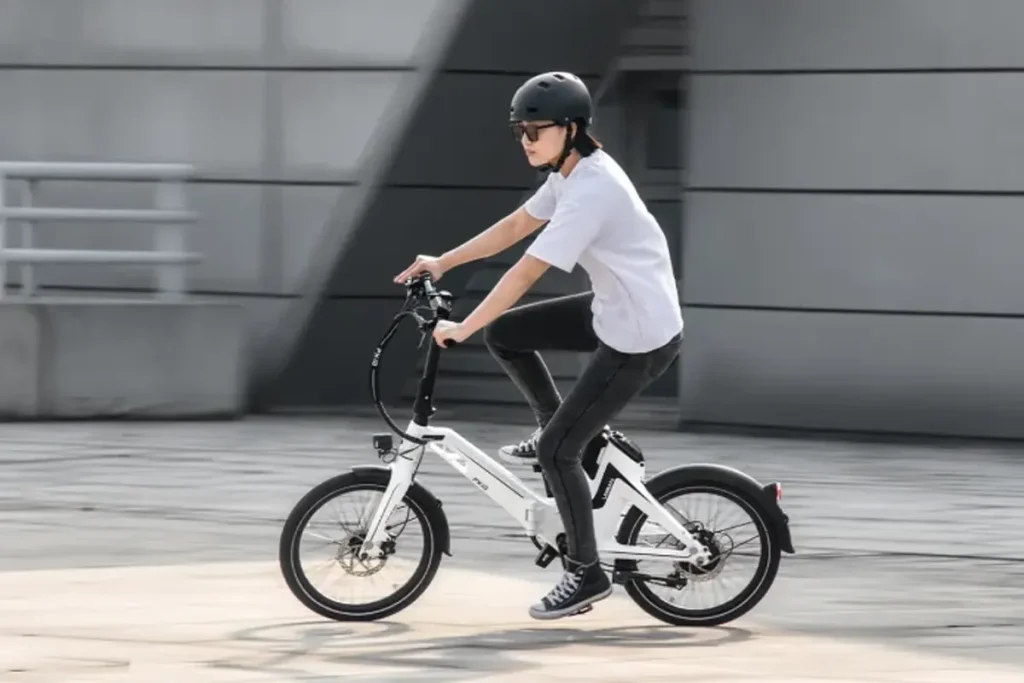
When exporting, Chinese electric vehicles have a high cost-effectiveness advantage in terms of design, functionality, and the e-bike cost is relatively low. Under the same quality, Chinese electric bicycles are more cost-effective.
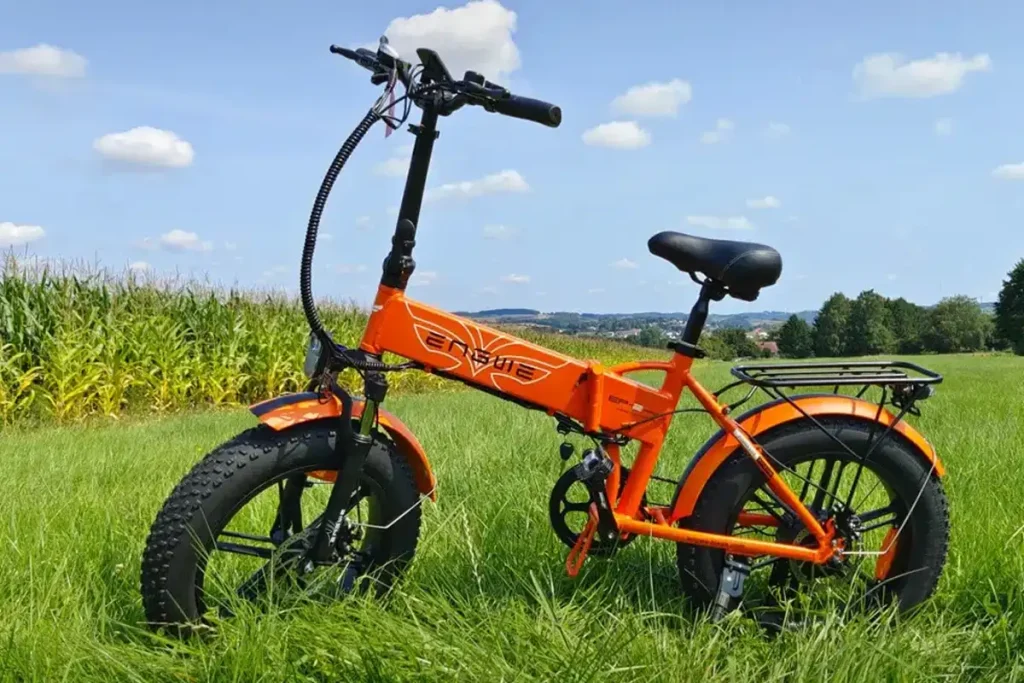
In addition, China’s new energy vehicle industry chain is relatively complete, and the technology develops at a high speed which brought by industrial development and provides technical conditions for the development of the electric bicycle industry, making Chinese e-bikes have excellent performance such as long-lasting endurance and lightweight, and have a competitive advantage in the world electric vehicle market. Here is the Top 10 electric bike manufacturers in China for your reference.
The challenges faced by Chinese electric vehicle companies
Despite high expectations, Chinese companies still face challenges in expanding into the Southeast Asian market. Indonesia is the third largest two wheeler market in the world after India and China, which is a good example.
Due to relatively high upfront costs and limited charging stations, Indonesia, a country with a population of 284 million, has made slow progress in transitioning to electric two wheelers. Traditional motorcycles also have cultural and economic significance. Aditya Hadiputra, the head of MDI Ventures, a Jakarta based venture capital firm, stated that many Indonesians consider two wheelers to be “one of their most valuable assets”.
Among our ‘many concerns’ about electrification, brand is the top priority, “said Hadi Putra. The country’s gasoline motorcycle market is dominated by Japanese companies such as Honda and Yamaha, which have’ spent years’ building their reputations, and their Chinese electric competitors are likely to be new brands that Indonesians have never heard of.
In addition, India is the world’s second-largest two wheeler market and already has leading local brands such as Hero and Bajaj, whose gasoline motorcycles and scooter components are almost entirely produced in India. Charith Konda, an energy expert stationed in Hyderabad at the Indian Institute of Energy Economics and Financial Analysis, stated that currently, Indian electric two wheeler manufacturers still rely on Chinese suppliers to provide battery materials. By the end of this century, we will be able to fully localize the electric vehicle supply chain, or even earlier. And here is the top 10 two-wheeler manufacturers in India for your reference
Conclusion
As the Chinese market becomes increasingly saturated, Chinese electric vehicle manufacturers are turning their attention overseas. For these companies, the next opportunity is to go global, but Chinese electric vehicle manufacturers still need to face challenges from various countries’ policies and enriching their own product competitiveness.


 English
  German
  Italian
  Dutch
Dutch  Danish
  French
  Spanish
  Finnish