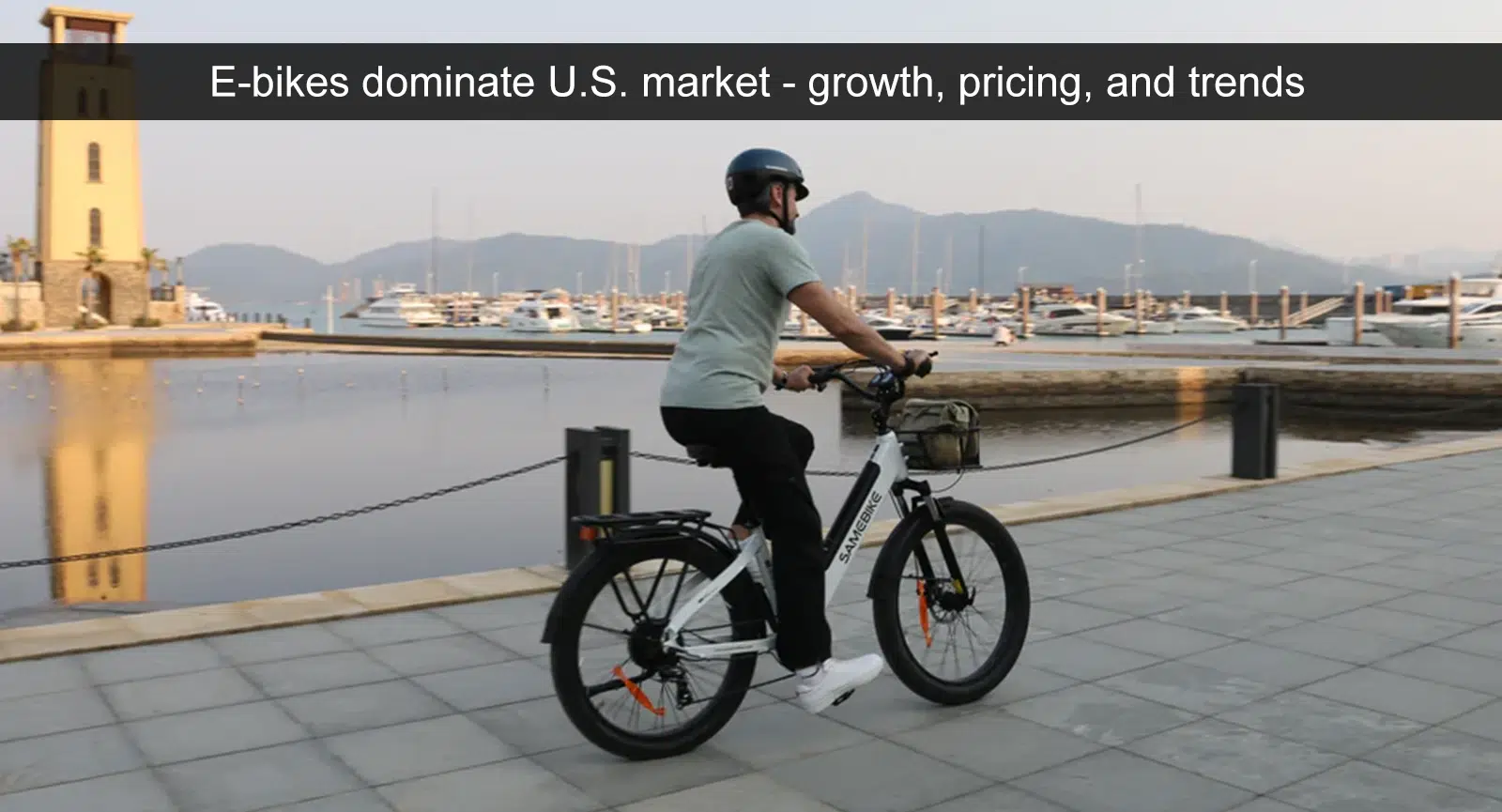
In the past five years, electric bikes have undoubtedly become the strongest growth point in the U.S. bicycle industry. According to Circana’s data, from 2019 to 2023, electric bikes accounted for 63% of the growth in sales in the U.S. market.
In 2023, they represented 20% of the total market sales. In the e-commerce sector of independent bicycle dealers (IBD), electric bikes were also the fastest-growing category of bicycles.
Electric bike growth gathers momentum
At the beginning of 2024, there were concerns that the growth curve of electric bikes was beginning to slow down. However, data from the second quarter of 2024 suggests that the slight decline in 2023 may have been a temporary adjustment, influenced by the early sales peak in 2022. According to Circana, as of April 2024, unit sales of electric bikes increased by 13% compared to the first four months of 2023.
Workstand IBD e-commerce sales also indicate that consumers still have a strong interest in purchasing electric bikes. In April/May 2024, online sales of electric bikes grew by 60% year-over-year, showing strong growth compared to 2023, slightly below the 69% growth rate in the same period of 2022.
This growth is not limited to the sales of electric bikes – interest in and use of electric bikes also seem to be increasing. A study by the Sports & Fitness Industry Association found that by 2023, 19.4% of Americans who had used a bicycle had used an electric bike, up from 7.8% in 2021.
Average selling price trends for electric bikes
In terms of pricing, electric bikes have shown a differentiated market structure. Circana’s data shows that the average selling price (ASP) of electric bikes through professional channels (IBD) reached $3,055, while other channels, such as the retail market (ROM), saw prices as low as $669.
Additionally, unit sales growth in ROM channels outpaced IBD channels, indicating that the growth of recreational electric bike riders is outpacing the demand from enthusiasts.
Despite the average selling price in both channels remaining stable or declining (ASP in IBD dropped by 5% in 2023 compared to 2022, while ASP in ROM remained flat), impending tariffs on Chinese imports could push the ASP higher.
Strong demand for low-end second-hand bikes
In the current second hand bikes market, a clear trend can be observed: lower-priced electric bikes are very popular, while demand for high-priced electric bikes is not as strong.
Specifically, as of May 2024, data shows that electric bikes priced between $200 and $400 have an inventory-to-sales ratio slightly above 1.0. This means that in this price range, market demand is sufficient to absorb existing inventory, indicating a high level of interest and willingness to purchase electric bikes in this price segment.
However, as the price range increases, the situation changes. In the $1,000 to $2,000 price range, the inventory-to-sales ratio rises to 2.3, indicating that in this price range, the supply of second-hand electric bikes begins to exceed demand.
For higher-priced electric bikes, the inventory-to-sales ratio stabilizes at around 2.6, further suggesting that demand for high-priced electric bikes in the second-hand market is relatively low.
The reason behind this phenomenon could be various discount strategies by retailers and direct-to-consumer (DTC) electric bike brands. Lower prices for new electric bikes in the market have affected the demand for similar products in the second-hand market.
For sellers looking to sell electric bikes in the second-hand market, adjusting prices closer to the range of standard electric bikes might make their bikes more attractive to buyers. In short, reasonably priced and cost-effective electric bikes are more likely to be favored by consumers in the second-hand market.
Surge in online sales
Workstand data shows that the growth rate of e-commerce sales for electric bikes is surpassing that of the overall IBD channel. Although only about 2% of electric bikes were sold through online channels in the first quarter of 2024, the annual growth rate reached 45%, indicating that consumer preferences for purchasing channels are gradually shifting.
Additionally, almost all e-commerce sales of electric bikes tracked by Workstand were for in-store pickup, meeting consumers’ needs for convenient shopping while ensuring foot traffic and service quality at physical stores. This perfectly blends the convenience of online shopping with the high quality of offline service. How to find the electric bike rentals near me?
Meanwhile, electric bikes also performed well in the second-hand market, with inventory-to-sales ratios significantly lower than other bicycle categories. Moreover, the growth rate of second-hand electric bike sales exceeded that of traditional second-hand bicycles.
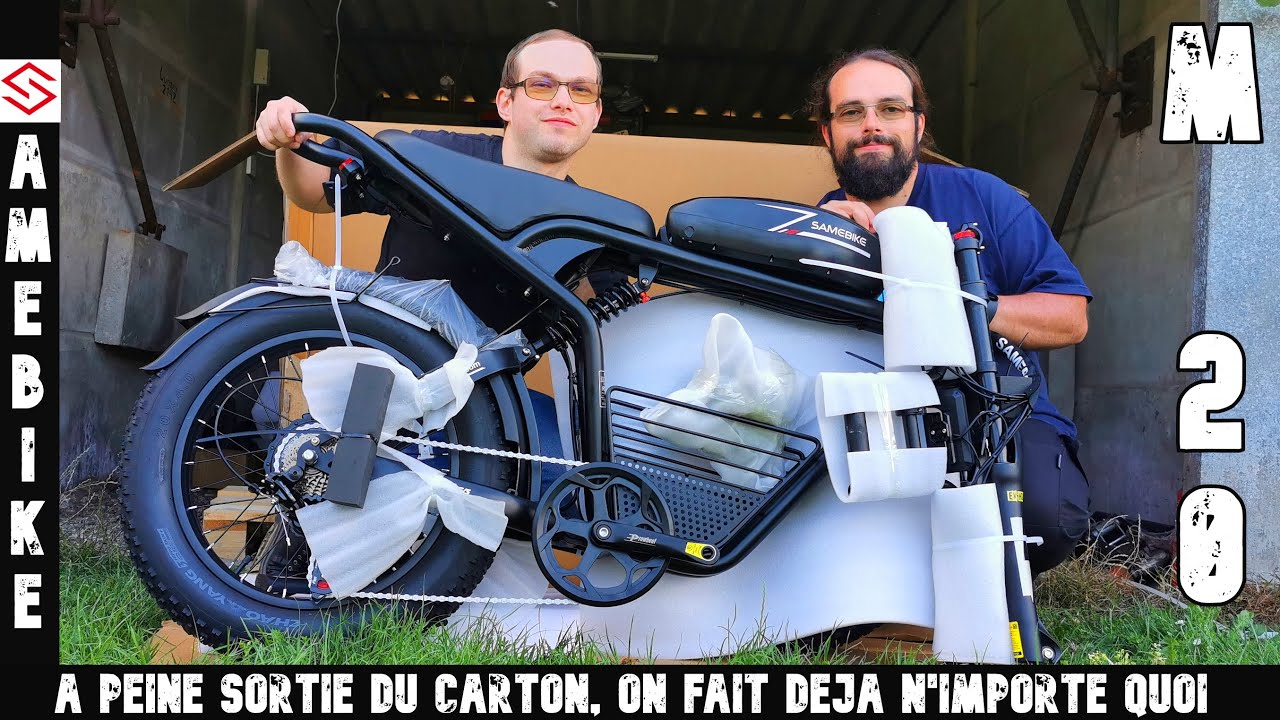
Your electric bike expert - SAMEBIKE
Since its establishment in 2004, Sameway Group has been committed to the research and development, manufacturing and global marketing of lithium electric bicycles and related products for 18 years.
SAMEBIKE is our factory-owned brand, and SAMEBIKE electric bikes have been sold all over the world, now it is a global brand.
As one of the top China electric bike suppliers, Sameway has R&D engineers with more than 10 years of experience, who strongly support OEM/ODM production, and expand Sameway’s production lines.
We understand the relationship between recreation and healthy living, and we firmly believe that energetic sports are a fashionable necessity.
We understand that sports is not a competition, but an attitude to life, and SAMEBIKE electric bikes are willing to face the challenges of life with the honesty of cycling.
You can also visit our SAMEBIKE store to get the best price.