Skip to content


From a global economic perspective, Decathlon’s decision to withdraw is not an isolated event. At present, the global economic situation is complex and constantly changing, with fluctuating market demand.
As a multinational brand, Decathlon’s market layout and strategic adjustments are naturally influenced by the global economic environment. A Decathlon spokesperson made it clear that the seriousness of the current global economic situation is the main reason for its withdrawal from the Swedish market.
Sweden, as an important economy in the Nordic region, has always been known for its unique consumer culture and market environment. However, for Decathlon, this market has been full of challenges, especially in the bicycle market.
Since mid-2022, Sweden has been facing weak demand, which has exacerbated Decathlon’s operational difficulties in the Swedish market, where outdoor sports products such as bicycles are its main offerings. It is understood that Decathlon’s initial expansion plans in Sweden did not proceed as smoothly as expected, with a limited number of stores and poor profitability.

Moreover, the Swedish market is fiercely competitive, and consumer demand for sports goods is increasingly diversified, posing significant challenges to Decathlon in terms of product positioning and market strategy.
The high-cost operating environment and intense market competition in Sweden have further increased Decathlon’s difficulty in achieving profitability. Combined with global economic fluctuations, declining market demand, and rising costs, multiple factors have collectively put tremendous pressure on Decathlon’s business in Sweden.
Meanwhile, Swedish home goods company Ikea announced in mid-June that it would open a large store in Stockholm’s Westfield shopping center, most likely taking over the soon-to-be-vacated Decathlon store.
Faced with the difficulties in the Swedish market and the pressures of the global economic situation, Decathlon made the strategic decision to withdraw from the Swedish market. By exiting less profitable markets, Decathlon can focus more on developing core markets and business areas, optimizing resource allocation, and improving operational efficiency.

Decathlon’s headquarters in France responded by saying, “After 13 years of operation in the Swedish market, Decathlon Sweden will terminate all business by the end of July this year, including closing the Westfield shopping center store and e-commerce platform.
Over the past years, we have built a strong relationship with Swedish customers who trusted us on their sports journey. However, the current global economic situation and its impact on our Swedish business have unfortunately forced us to make this difficult decision.”
After transparent discussions with local unions, Decathlon said agreements have been signed. Decathlon Sweden’s 58 employees will receive assistance in transitioning to new jobs. Decathlon Sweden will fulfil its commitments to local partners during the closure process and ensure continued service to customers in the Swedish market.
Despite Decathlon’s withdrawal from the Swedish market, its global business has shown solid growth. Last year, the company achieved an impressive 4.4% year-over-year revenue increase at constant exchange rates, with digital sales accounting for a significant portion of revenue.
By the end of last year, Decathlon was operating over 1,700 stores in 78 countries worldwide, achieving a net profit of 931 million euros. In other markets, Decathlon continues to demonstrate its leading position in the global retail sports goods market.
Decathlon, a well-known brand among sports enthusiasts, may still be unfamiliar to some people.
In March 2024, Decathlon introduced a new brand purpose, “Move People Through the Wonders of Sport”, along with a new logo marked by a “track”.
Founded in 1976 in the small northern French city of Lille, Decathlon has grown into a global company with more than 100,000 employees and 1,700 stores in 70 countries. They offer equipment for 80 sports, ensuring that everyone, from beginners to experts, can find something suitable.
From entry-level to advanced sports products, Decathlon’s own brands, known as “passion brands,” such as Quechua for outdoor mountain sports, b’Twin for cycling, Kipsta for team sports, and Nabaiji for swimming, are loved for their cost-effectiveness, safety, usability, design, and instructions.
In addition to products, Decathlon offers many services, such as sports equipment repair and maintenance. Decathlon aims to make sport accessible to people of all skill levels, from beginners to elite experts.

The beauty of sports is that everyone can participate in them in their own way. It can be the joy of participation or the thrill of accomplishment. Decathlon, with its inclusive approach, helps people create their own unique sports experiences.
To attract more customers, Decathlon covers sports equipment for the whole family: skis, yoga clothes, bicycles, fishing rods, camping gear, and more(electric bike accessories). It’s no wonder there’s a saying: “When in doubt, go to Decathlon.”
For example, Decathlon’s campaign theme: “100/500/900 series, making all levels of sports accessible,” suggests that when you don’t know what you need, you can get everything in one visit to Decathlon.
The answer is one word: “Move.” The core of sports is to get moving, but how do you get people moving? Decathlon stores always have designated areas for the consumer experience. There are a lot of trial products for you to enjoy freely.
In the football section, there is a small pitch. In the basketball section, there is a court, and there is also a ping pong table, roller skating track, and fitness area. The goal is to get customers to play inside Decathlon.
If you ask which mall is the busiest on weekends, the answer is usually Ikea or Decathlon.
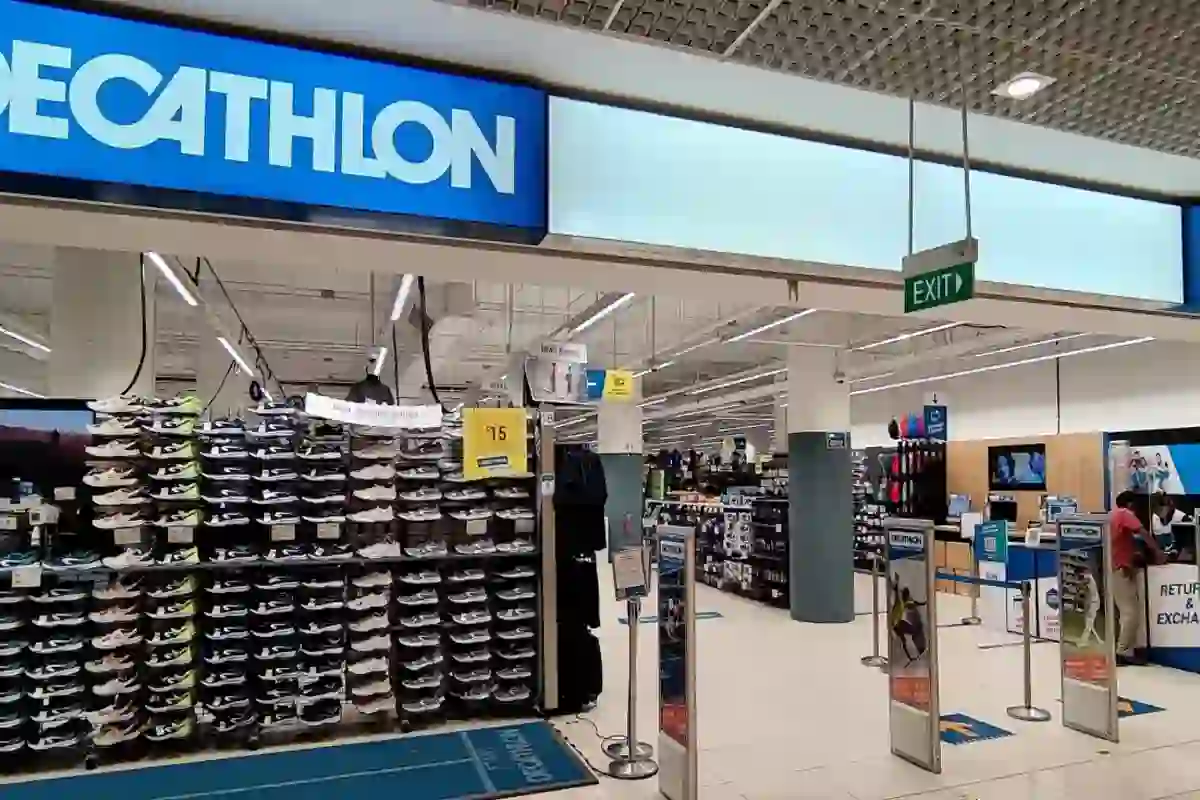
Both Ikea and Decathlon play the same card: customer experience, and it’s free.
In addition, in Decathlon stores, different sports sections and cash registers have QR codes for the “Sports Ambassador” WeChat accounts. Customers can scan to add them as friends and join different sports interest groups based on their preferences, such as running or cycling groups.
These groups regularly share sports-related content, such as how to avoid knee injuries(broken collarbone) while running in the running group, or how to maintain your bike in the cycling group.
When there are new product launches or promotional activities, Decathlon announces them first in these groups. Creating groups is just the first step; they also organize activities to engage and interest users.
Throughout 2023, Decathlon organized tens of thousands of sports check-ins and experience events, engaging hundreds of thousands of participants nationwide.
To better manage private domain operations, Decathlon’s headquarters has set up a dedicated community sports centre, handling everything from initiating topics to preparing materials.


 English
  German
  Italian
  Dutch
Dutch  Danish
  French
  Spanish
  Finnish