Skip to content

Electric bikes have become increasingly popular as an eco-friendly and efficient mode of transportation. Whether you’re commuting to work, exploring the outdoors, or simply enjoying a leisurely ride, understanding the various aspects of e-bikes is crucial for making an informed purchase.
One significant factor that often gets overlooked is the weight of the e-bike. The weight of an e-bike not only affects its performance but also plays a role in its usability, transportation, and overall riding experience. In this article, we will delve into the average e-bike weight, the factors contributing to e-bike weight, and how weight influences e-bikes’ performance and functionality.


What is the average weight for an electric bike?
The average weight of an electric bike typically ranges from 40 to 70 pounds (18 to 32 kg). This weight includes the frame, motor, battery, and other components. The variation in weight depends on several factors such as the type of e-bike, the materials used in its construction, and the size of the battery and motor.
While some lightweight models may weigh as little as 30 pounds (14 kg), more robust models designed for off-road use or long-distance travel can exceed 80 pounds (36 kg).

Do e-bikes have a weight limit?
Yes, e-bikes do have a weight limit, which refers to the maximum combined weight of the rider, cargo, and the bike itself. Most e-bikes are designed to support a total weight ranging from 220 to 300 pounds (100 to 136 kg).
However, specialized models, such as cargo e-bikes, can support even higher weights, sometimes up to 400 pounds (181 kg) or more. Exceeding the weight limit can affect the bike’s performance, handling, and safety, so it’s essential to choose an e-bike that matches your specific needs.
How much does the pure electric bike weigh?
When referring to a “pure electric bike,” which typically means an e-bike without any additional accessories or cargo, the weight can be slightly lower than the average. A pure electric bike, stripped of extras like racks, fenders, and lights, generally weighs between 40 and 60 pounds (18 to 27 kg).
This weight still includes the motor and battery, which are integral components of any e-bike. The actual weight can vary based on the specific model and the bike frame materials.

Are there different weight ranges for various types of e-bikes?
Absolutely. The weight of an e-bike can vary significantly depending on its type. Here’s a breakdown of the average weight ranges for different categories of e-bikes:
- Commuter e-bikes: Typically weigh between 40 to 60 pounds (18 to 27 kg). These are designed for daily urban use and prioritize a balance between weight and durability.
- Mountain e-bikes: Usually heavier, ranging from 50 to 70 pounds (23 to 32 kg), due to their robust build and powerful motors needed for off-road terrain.
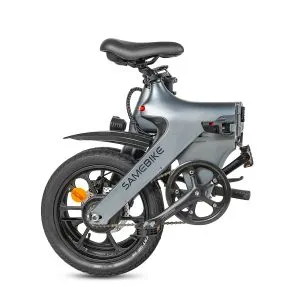
- Folding e-bikes: Tend to be lighter, often between 30 to 50 pounds (14 to 23 kg), as they are designed for portability and ease of storage.
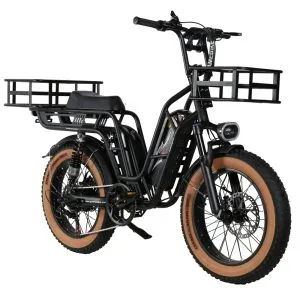
- Cargo e-bikes: The heaviest of the bunch, usually weighing between 60 to 80 pounds (27 to 36 kg) or more, given their reinforced frames and larger batteries designed to carry heavy loads.
What factors contribute to the weight of an e-bike?
Several factors contribute to the overall weight of an e-bike, including:
- Frame material: The material used in the frame has a significant impact on weight. Common materials include aluminum, steel, carbon fiber, and titanium, each with its own weight characteristics.
- Motor: The size and type of motor (hub drive vs mid-drive motor) play a crucial role in the e-bike’s weight. More powerful motors tend to be heavier.
- Battery: The battery is one of the heaviest components of an e-bike. Larger capacity batteries offer longer ranges but add more weight.
- Additional components: Electric bike accessories like racks, lights, fenders, and suspension systems can add to the overall weight.

How does the frame material affect the weight?
The frame material is one of the most critical factors influencing the weight of an e-bike. Here’s a comparison of common materials:
| Type | Note |
|---|---|
| Aluminum | Lightweight and corrosion-resistant, aluminum is the most commonly used material for e-bike frames. It offers a good balance between weight and durability, making it ideal for most types of e-bikes. |
| Steel | Steel frames are heavier but offer superior strength and durability. They are often used in cargo e-bikes or bikes designed for heavy-duty use. Steel also provides a smoother ride due to its natural flex, which absorbs road vibrations. |
| Carbon fiber | Known for its ultra-lightweight properties, carbon fiber is used in high-end e-bikes. It is incredibly strong for its weight but comes at a higher cost. Carbon fiber frames are popular in performance-oriented e-bikes where every ounce counts. |
| Titanium | Lightweight and durable, titanium offers the best of both worlds but is expensive. It’s rare in e-bikes due to its cost but is sometimes found in custom or premium models. |
What impact do the battery and motor have on overall weight?
The battery and motor are the heaviest components of an e-bike, often accounting for a significant portion of the overall weight.
- Battery: The weight of the battery depends on its capacity, measured in watt-hours (Wh). A higher capacity battery, such as one with 500Wh or more, will weigh more than a smaller one with 300Wh. The battery’s weight can range from 5 to 15 pounds (2 to 7 kg), depending on its size and the materials used in its construction.
- Motor: The motor’s weight varies depending on its power output and design. Hub motors are generally lighter than mid-drive motors, but mid-drive motors offer better performance and efficiency. The motor can add between 5 to 10 pounds (2 to 4.5 kg) to the e-bike’s weight.

How do additional components add to the weight?
Additional components, such as racks, fenders, lights, and suspension systems, can significantly increase the weight of an e-bike. Each component, though seemingly small on its own, contributes to the cumulative weight:
- Racks and fenders: Essential for commuting and cargo e-bikes, these components add functionality but also weight, often between 2 to 5 pounds (0.9 to 2.3 kg).
- Suspension systems: A full suspension system (full suspension e-bikes) can add considerable weight, sometimes up to 5 pounds (2.3 kg) or more, depending on the complexity and quality of the components.
- Lights and electronics: Integrated lights, displays, and other electronic accessories add both weight and convenience, though typically only by a few pounds.
Does the weight influence the speed and acceleration of the e-bike?
Yes, the weight of an e-bike influences its speed and acceleration. Heavier e-bikes generally require more power to achieve the same speed as lighter models, which can result in slower acceleration, especially when starting from a stop. The motor has to work harder to propel a heavier bike, which can lead to quicker battery depletion.

How does weight impact the battery life and range?
Heavier e-bikes typically have shorter battery life and range compared to lighter models. This is because the motor has to expend more energy to move the additional weight, especially when climbing hills or riding against the wind.
Riders of heavier e-bikes may find themselves needing to recharge more frequently or may need to opt for a higher-capacity battery to achieve the desired range.
Are heavier e-bikes generally more durable?
Heavier e-bikes can be more durable, especially if the additional weight comes from stronger materials like steel or larger, more robust components.
For instance, cargo e-bikes, which are built to carry heavy loads, often have reinforced frames and wheels that make them more durable. However, this is not a hard and fast rule, as durability also depends on the quality of the components and construction.

Can lighter e-bikes compromise on strength or longevity?
Lighter e-bikes can sometimes compromise on strength or longevity, particularly if the weight savings come from using less durable materials. For example, an ultra-light carbon fiber frame might not withstand rough handling or heavy loads as well as a steel frame.
However, advances in material science have allowed manufacturers to produce lightweight yet strong e-bikes, so it’s essential to consider the specific materials and construction methods used.
How does e-bike weight affect transportation and storage?
The weight of an e-bike significantly affects its ease of transportation and storage. Lighter e-bikes are easier to lift, carry upstairs, or load onto a bike rack.
They are also more convenient to store in small spaces, such as apartments or offices. In contrast, heavier e-bikes can be cumbersome to move and may require more robust storage solutions, such as heavy-duty bike racks or secure ground anchors.

Are there any weight-related legal regulations for e-bikes?
While there are no specific legal regulations concerning the weight of e-bikes, many regions have laws that classify e-bikes based on their power output and speed.
However, the weight of the bike can indirectly affect its compliance with these regulations. For instance, a heavier e-bike may require a more powerful motor to achieve the same speed as a lighter one, potentially pushing it into a different regulatory category.
What considerations should be made for choosing a heavier vs. lighter e-bike?
When choosing between a heavier and lighter e-bike, consider the following factors:
- Intended use: If you plan to carry heavy loads or ride on rough terrain, a heavier, more robust e-bike may be more suitable. For daily commuting or city riding, a lighter e-bike might be preferable.
- Battery life and range: Consider how far you need to travel on a single charge. Lighter electric bikes tend to have better range due to their reduced energy demands.
- Transport and storage: If you need to carry the bike upstairs or store it in a small space, a lighter model will be easier to manage.
- Durability and strength: Heavier bikes are often more durable, but make sure the weight comes from quality materials and components.

Conclusion
The weight of an e-bike is a crucial factor that influences its performance, durability, and practicality. Whether you prioritize speed, range, or ease of transportation, understanding how weight affects these aspects can help you make an informed decision.
By considering the type of e-bike, the materials used, and your specific needs, you can choose an e-bike that offers the perfect balance between weight and functionality for your lifestyle.


 English
  German
  Italian
  Dutch
Dutch  Danish
  French
  Spanish
  Finnish