Skip to content
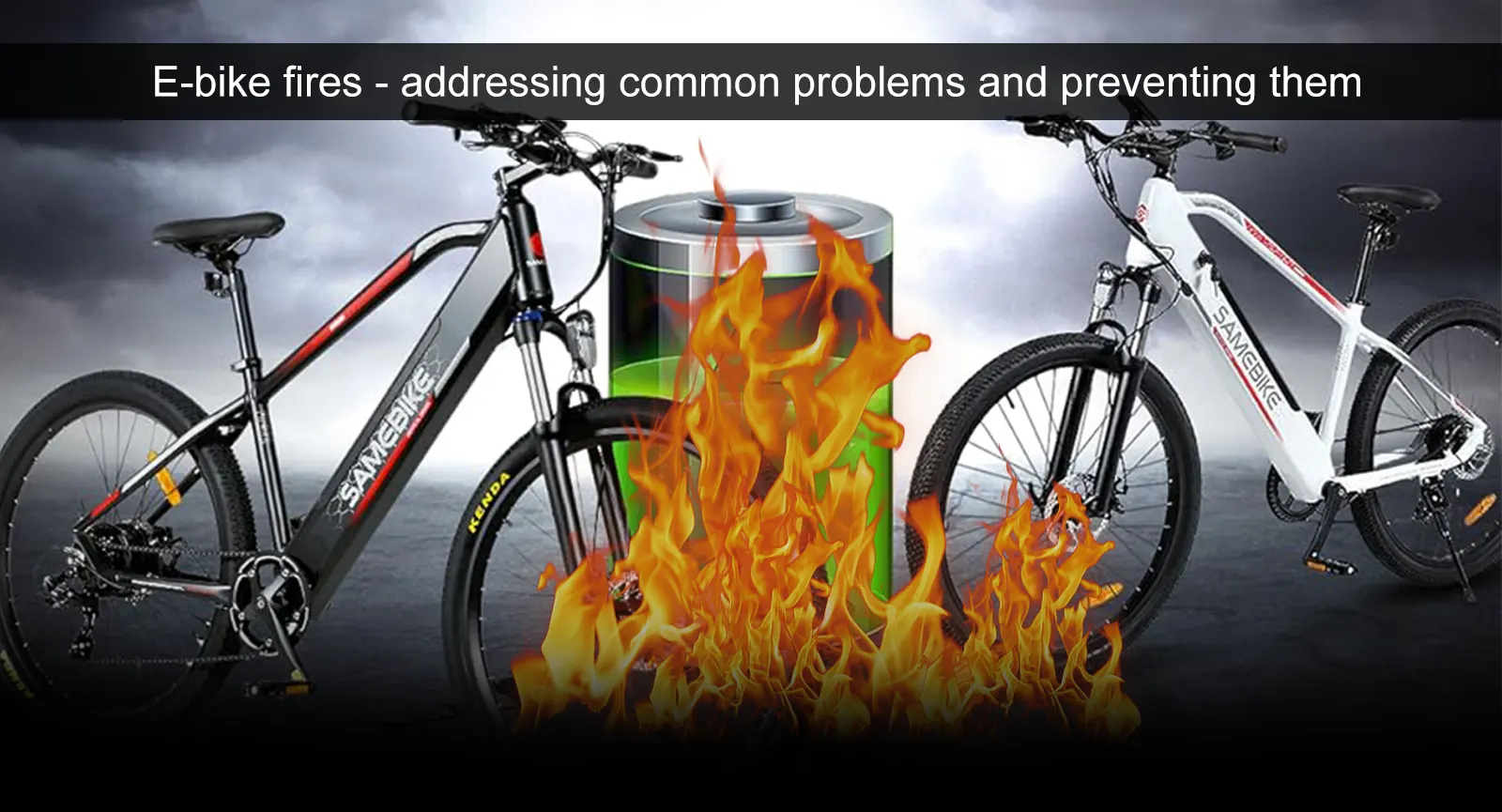
Electric bikes have gained immense popularity in recent years as a sustainable and efficient mode of transportation.
Their convenience, affordability, and eco-friendliness make them an attractive alternative to traditional vehicles. However, like any technology, e-bikes come with their own set of challenges, one of which is the risk of fires.
E-bike fires, though relatively rare, can have devastating consequences. This article delves into the common problems associated with e-bikes, the causes of e-bike fires, preventive measures, safety regulations, and other related concerns to provide a comprehensive understanding of e-bike battery safety.


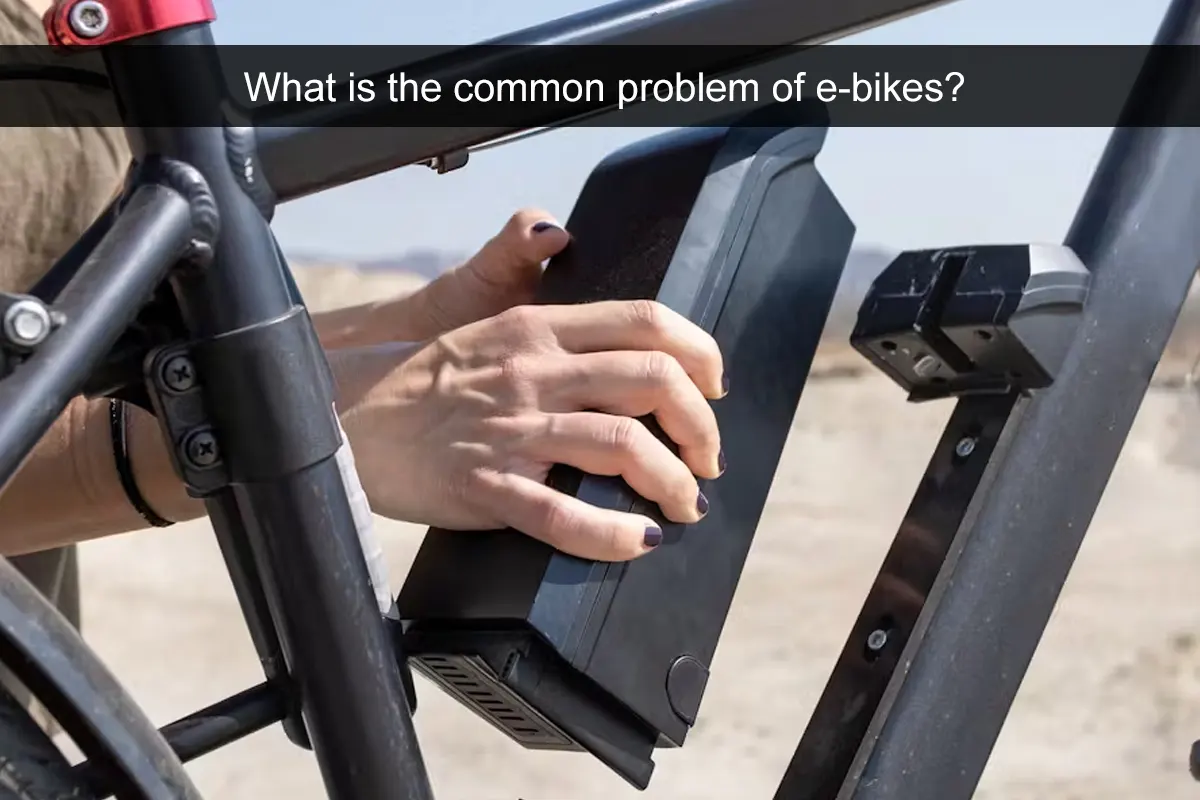
What is the common problem of e-bikes?
E-bikes, while innovative, are not without their issues. Some common problems include:
- Battery malfunction: The lithium-ion batteries used in e-bikes are prone to overheating, swelling, or even catching fire if they are defective or improperly handled.
- Motor issues: The motor, which is the heart of the e-bike, can overheat or fail, leading to performance issues or, in extreme cases, fire hazards.
- Electrical problems: Faulty wiring, loose connections, or short circuits can lead to electrical failures, posing a significant fire risk.
- Weight and balance: The added weight of the battery and motor can affect the balance of the bike, making it more difficult to handle, especially at higher speeds.
- Range anxiety: Concerns about battery life and the distance an e-bike can travel on a single charge can lead to riders overloading or improperly charging their batteries, increasing the risk of fire.
These problems, if not addressed properly, can compromise the safety and reliability of e-bikes.
What are the common causes of e-bike fires?
E-bike fires, although not exceedingly common, can occur due to several reasons:
| Cause | Feature |
|---|---|
| Overcharging | Charging a battery beyond its capacity can cause it to overheat and potentially catch fire. This is particularly dangerous if the e-bike is left unattended while charging. |
| Poor quality batteries | Low-quality or counterfeit batteries may not meet safety standards, making them more prone to overheating, short-circuiting, or catching fire. |
| Physical damage to the battery | Dropping an e-bike or exposing it to rough conditions can damage the battery cells, increasing the risk of a thermal runaway, where the battery heats up uncontrollably. |
| Improper storage | Storing e-bikes in hot or confined spaces can lead to battery overheating. Similarly, storing them near flammable materials can escalate the situation if a fire starts. |
| Faulty chargers | Using a charger that is not compatible with the e-bike battery or one that is defective can lead to overcharging or electrical faults, both of which are fire hazards. |
How do you prevent fires on e-bikes?
Preventing e-bike fires involves several precautions:
- Use certified batteries and chargers: Always use batteries and chargers that meet industry safety standards and are recommended by the electric bike manufacturer.
- Avoid overcharging: Monitor the charging process and unplug the e-bike once it is fully charged. Consider using smart chargers that automatically stop charging when the battery is full.
- Regular inspections: Routinely check the battery for any signs of damage, such as swelling, leaks, or unusual odors. Also, inspect the wiring and connectors for any signs of wear or corrosion.
- Safe storage: Store e-bikes in a cool, dry place away from flammable materials. Avoid exposing the battery to extreme temperatures, whether hot or cold.
- Proper handling: Handle the battery with care, avoiding drops or impacts. If the battery is damaged, it should be replaced immediately.
- Professional maintenance: Have your e-bike serviced by a professional regularly to ensure that all components, including the battery and electrical system, are in good working order.

What safety regulations exist to prevent e-bike fires?
Various safety regulations and standards have been established to mitigate the risk of e-bike fires:
- UL certification: Underwriters Laboratories (UL) provides certification for e-bike batteries, chargers, and other components, ensuring they meet safety standards.
- Battery transport regulations: There are strict guidelines for the transport of lithium-ion batteries, which are classified as hazardous materials. These regulations help prevent accidents during the transportation of e-bikes.
- Local safety codes: Some regions have specific safety codes and regulations governing the sale, use, and disposal of e-bikes and their batteries.
- Manufacturer guidelines: E-bike manufacturers provide specific instructions for the safe use, charging, and maintenance of their products. Adhering to these guidelines is crucial for safety.
These regulations, along with industry standards, play a vital role in ensuring the safe operation of e-bikes.
Can e-bikes catch fire when not charging?
Yes, e-bikes can catch fire even when they are not charging. This can occur due to:
- Internal short circuits: Even when not in use, an internal short circuit within the battery can cause it to overheat and catch fire.
- Overheating: If an e-bike is stored in a hot environment, the battery can overheat, leading to a fire.
- Physical damage: If the battery has been damaged, it can cause a fire at any time, not just during charging.
- Faulty components: Defective wiring or other electrical components can cause a fire, regardless of whether the bike is in use or charging.

Is it safe to ride an e-bike at night?
Riding an e-bike at night can be safe if proper precautions are taken:
- Adequate lighting: Ensure that your e-bike is equipped with strong front and rear lights, as well as reflective strips or gear to increase visibility.
- Safety gear: Choose the best bike helmets, reflective clothing, and other protective gear to enhance your safety.
- Awareness of surroundings: Be extra vigilant at night, as visibility is reduced, and hazards such as potholes or debris may be harder to see.
- Proper bike maintenance: Ensure that your e-bike is in good working condition, especially the brakes, lights, and tires, before heading out at night.
With the right preparations, riding an e-bike at night can be both safe and enjoyable.
Is it safe to leave an e-bike outside?
Leaving an e-bike outside poses several risks:
- Theft: E-bikes are valuable and can be a target for thieves if left unattended and unsecured.
- Weather damage: Exposure to rain, snow, or extreme heat can damage the battery, motor, and other components, increasing the risk of malfunction or fire.
- Vandalism: E-bikes left outside are vulnerable to vandalism, which can lead to damage or battery tampering, raising fire risks.
If you must leave your e-bike outside, secure it with a strong lock, cover it with a waterproof cover, and place it in a well-lit, secure area.

Is it ok to leave e-bikes in the rain?
Leaving an e-bike in the rain is generally not advisable:
- Water damage: Prolonged exposure to rain can lead to water ingress in the battery, motor, or electrical components, causing short circuits or corrosion.
- Safety concerns: Wet conditions can compromise the performance of the brakes and bike tires, making the e-bike unsafe to ride.
- Increased fire risk: Water damage to the battery or electrical system can increase the risk of a fire if the bike is used or charged while wet.
If your e-bike does get wet, dry it thoroughly before charging or using it.
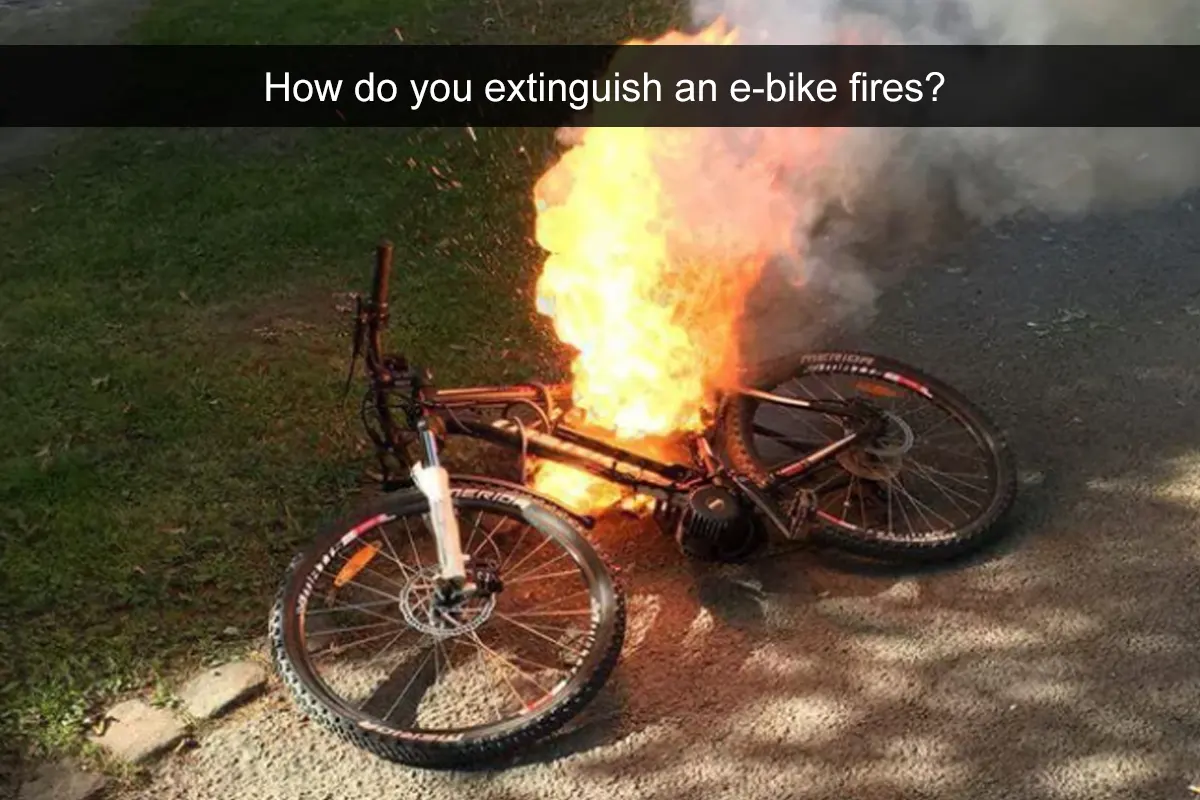
How do you extinguish an e-bike fires?
Extinguishing an e-bike fire requires caution:
- Use a Class D fire extinguisher: Lithium-ion battery fires are best extinguished with a Class D fire extinguisher, designed for metal fires.
- Avoid water: Do not use water to extinguish an e-bike fire, as it can cause a chemical reaction with the lithium-ion battery, worsening the fire.
- Evacuate and call emergency services: If the fire is large or uncontrollable, evacuate the area and call emergency services immediately.
- Contain the fire: If safe to do so, isolate the burning e-bike from other flammable materials to prevent the fire from spreading.
How can proper maintenance reduce the risk of fire?
Proper maintenance is crucial in reducing the risk of e-bike fires:
- Regular inspections: Regularly inspect the battery, wiring, and electrical components for signs of wear, damage, or corrosion.
- Battery care: Handle the battery carefully, avoid dropping it, and replace it if any damage is detected.
- Professional servicing: Have your e-bike serviced by a qualified technician to ensure all components are functioning correctly.
- Adherence to manufacturer guidelines: Follow the manufacturer’s maintenance recommendations, including charging protocols and storage instructions.
By maintaining your e-bike properly, you can significantly reduce the risk of fire.
What are the immediate steps to take if an e-bike catches fire?
- Turn off the power: If possible, turn off the power to prevent further electrical issues.
- Evacuate the area: Move away from the e-bike and ensure others are at a safe distance.
- Call emergency services: Contact emergency services to handle the fire safely.
- Attempt to extinguish: If the fire is small and you have the appropriate extinguisher, attempt to extinguish the fire, but only if it is safe to do so.
- Avoid water: Do not use water on a lithium-ion battery fire, as it can exacerbate the situation.

What are the long-term implications of e-bike fires on the industry?
Urban areas are increasingly implementing specific regulations and initiatives to address e-bike safety:
- Battery recycling programs: Some cities have introduced battery recycling programs to safely dispose of old or damaged e-bike batteries, reducing the risk of fires.
- Safety inspections: Regular safety inspections for e-bikes may be mandated in some regions to ensure that they meet safety standards.
- Fire safety campaigns: Urban authorities may launch awareness campaigns to educate e-bike users about fire safety, proper charging practices, and maintenance.
The long-term implications of e-bike fires on the industry could be significant:
- Stricter regulations: Increased incidents of e-bike fires could lead to stricter regulations, requiring manufacturers to adhere to more rigorous safety standards.
- Enhanced technology: The industry may see advancements in battery technology, with a focus on safer, more stable alternatives to current lithium-ion batteries.
- Consumer confidence: Persistent fire risks could impact consumer confidence, potentially slowing the adoption of e-bikes or leading to increased demand for safer models.

Conclusion
E-bikes are a revolutionary mode of transportation, offering numerous benefits in terms of convenience, cost, and environmental impact. However, the risks associated with e-bike fires cannot be ignored.
By understanding the common causes of these fires, adhering to safety regulations, and practicing proper e-bike maintenance tips, users can significantly reduce the risk of fire and enjoy their e-bikes with peace of mind.
As the industry continues to evolve, the focus on safety will remain paramount, ensuring that e-bikes remain a safe and sustainable choice for urban mobility.


 English
  German
  Italian
  Dutch
Dutch  Danish
  French
  Spanish
  Finnish