Skip to content

Gears are a fundamental component of bicycles, including e-bikes, playing a crucial role in enhancing the riding experience by adapting to various terrains and riding conditions.
This article explores the e-bike gear and different types of gears used in e-bikes, their primary functions, and how to use and maintain them effectively.


What are the different types of gears used in e-bikes?
Derailleur gears
Derailleur gears are the most common type found on e-bikes. They consist of a chain that moves across a set of sprockets of varying sizes.
When the rider shifts gears, the bike derailleur moves the chain from one sprocket to another, changing the gear ratio. This system offers a wide range of gear options, making it versatile for different riding conditions.

Hub gears
Hub gears are enclosed within the rear wheel hub, providing a cleaner and more protected system.
Unlike derailleur gears, hub gears can be shifted while the bike is stationary, which is useful in stop-and-go traffic. Hub gears typically offer fewer gear options compared to derailleur systems but require less maintenance.

Single-speed gears
Single-speed e-bikes have only one gear ratio, making them simple and easy to maintain. These bikes are ideal for flat terrain and urban commuting where constant speed adjustments are unnecessary.
The lack of gear shifting mechanisms also makes single-speed bikes lighter and more durable.

What is the primary function of gears on an e-bike?
The primary function of gears on an e-bike is to adjust the pedaling difficulty relative to the terrain and rider’s preference. By changing gears, riders can maintain an optimal pedaling cadence regardless of whether they are climbing a steep hill, cruising on flat ground, or descending a slope.
This adaptability improves the efficiency of pedaling, reduces strain on the rider, and extends the battery life of the e-bike by optimizing power usage.
How do gears enhance the riding experience of an e-bike?
Gears enhance the riding experience by providing:
- Comfort: Allowing riders to adjust the resistance of pedaling to match their strength and the terrain.
- Efficiency: Enabling riders to maintain a consistent cadence, which is especially important for conserving energy on long rides(cycling climbing).
- Versatility: Allowing the e-bike to handle a variety of terrains, from steep hills to flat roads, with ease.
- Performance: Enhancing the bike’s ability to accelerate, climb, and maintain speed with less effort.

What are the main components of an e-bike gear system?
| Derailleur or hub mechanism | Chain | Cassette or sprocket set | Shifters | Cables or electronic wires |
|---|---|---|---|---|
| Responsible for moving the chain or internal gears to change the gear ratio. | Transfers power from the pedals to the wheels. | A series of gears of varying sizes attached to the rear wheel. | Controls located on the handlebars that the rider uses to change gears. | Connect the shifters to the derailleur or hub mechanism, enabling gear changes. |

How many gears do e-bikes have and what do they mean?
E-bikes can have a wide range of gears, typically ranging from 1 to 30 or more. The number of gears refers to the combination of chainrings (gears on the front crankset) and sprockets (gears on the rear cassette).
The majority of e-bikes feature a single chainring at the front, with gear systems that vary from 7-speed to 11-speed.
For example, a bike with 3 chainrings and a 10-sprocket cassette has 30 possible gear combinations (3×10). More gears provide greater flexibility in choosing the optimal pedaling resistance for different terrains and riding conditions.
How do I properly shift gears on an e-bike?
Proper gear shifting involves:
- Pedaling continuously: Keep pedaling while shifting to ensure smooth gear changes.
- Anticipating terrain: Shift gears before reaching steep inclines or declines to maintain momentum.
- Avoiding cross-chaining: Avoid using the smallest chainring with the smallest sprocket or the largest chainring with the largest sprocket to reduce wear on the chain and gears.
- Shifting incrementally: Shift one gear at a time to prevent sudden changes in resistance and maintain control.

Which gear is best for flatland riding?
For flatland riding, a mid-range e-bike gear is usually best. This provides a balance between speed and pedaling effort, allowing the rider to maintain a comfortable cadence without excessive resistance.
Which gear is best for climbing hills on an e-bike?
When climbing hills, a lower e-bike gear (larger sprocket at the rear and/or smaller chainring at the front) is ideal. This reduces the pedaling resistance, making it easier to climb without exhausting the rider.

Which gear is best for riding downhill on an e-bike?
For downhill riding, a higher e-bike gear (smaller sprocket at the rear and/or larger chainring at the front) is preferable. This allows the rider to pedal at a comfortable cadence even at higher speeds.
Tips for gear shifting on an e-bike
- Shift early: Anticipate changes in terrain and shift gears before you need them.
- Stay smooth: Shift one gear at a time and avoid sudden changes.
- Maintain cadence: Aim for a consistent pedaling rhythm, typically between 60-90 RPM.
- Practice: Get to know your e-bike’s gear system through regular practice in different conditions.
Tips for e-bike gear maintenance
- Keep it clean: Regularly clean the chain and gears to prevent dirt buildup.
- Lubricate: Apply appropriate lubricant to the chain and gears to ensure smooth operation.
- Inspect regularly: Check for wear and tear on the chain, sprockets, and derailleur.
- Adjust tension: Ensure that the cables are properly tensioned for precise shifting.
You can also check the e-bike maintenance tips for your reference.

FAQs about e-bike gear
The best bicycle gear ratios depend on the rider's preference and typical terrain. A common range is 1:1 for climbing and 4:1 for high-speed riding on flat terrain.
Gears allow the rider to adjust the pedaling resistance to match the terrain, optimizing efficiency and comfort.
Yes, gears enhance the versatility and efficiency of an e-bike, making it suitable for a wider range of conditions and improving the overall riding experience.
Discover the best SAMEBIKE electric bike for you
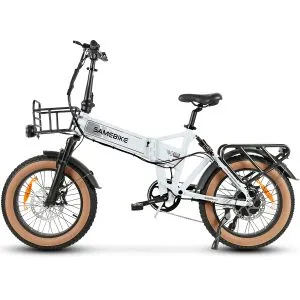
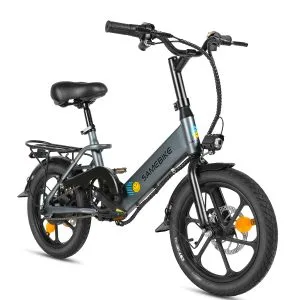
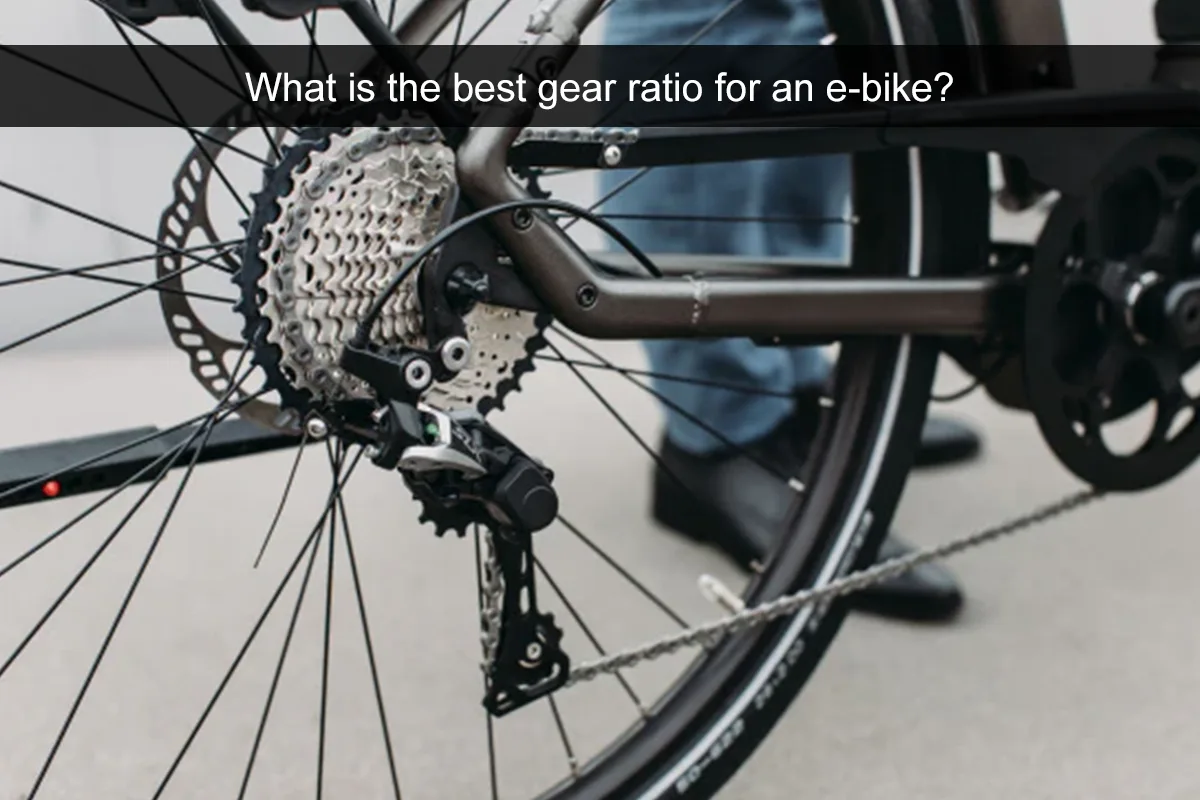
SAMEBIKE offers a range of electric bikes with different e-bike gear options to suit various needs:
| SAMEBIKE LO26-II | SAMEBIKE 20LVXD30 |
|---|---|
| A versatile e-bike with a 21-speed derailleur system, perfect for tackling different terrains with ease. It offers smooth shifting and a comfortable ride for both urban commuting and off-road adventures. | Featuring a 7-speed Shimano system, this model is ideal for city riding and light off-road trails. Its compact design and efficient gear system make it a great choice for daily commuting. |


Final words
By understanding the e-bike gear systems on e-bikes and how to use them effectively, you can greatly enhance your riding experience.
Whether you’re navigating hilly terrains, cruising on flat roads, or descending slopes, the right gear choice can make all the difference. Remember to maintain your e-bike gear system regularly and practice proper shifting techniques to enjoy a smooth and efficient ride.



 English
  German
  Italian
  Dutch
Dutch  Danish
  French
  Spanish
  Finnish