Skip to content


1.Definition of snowbike

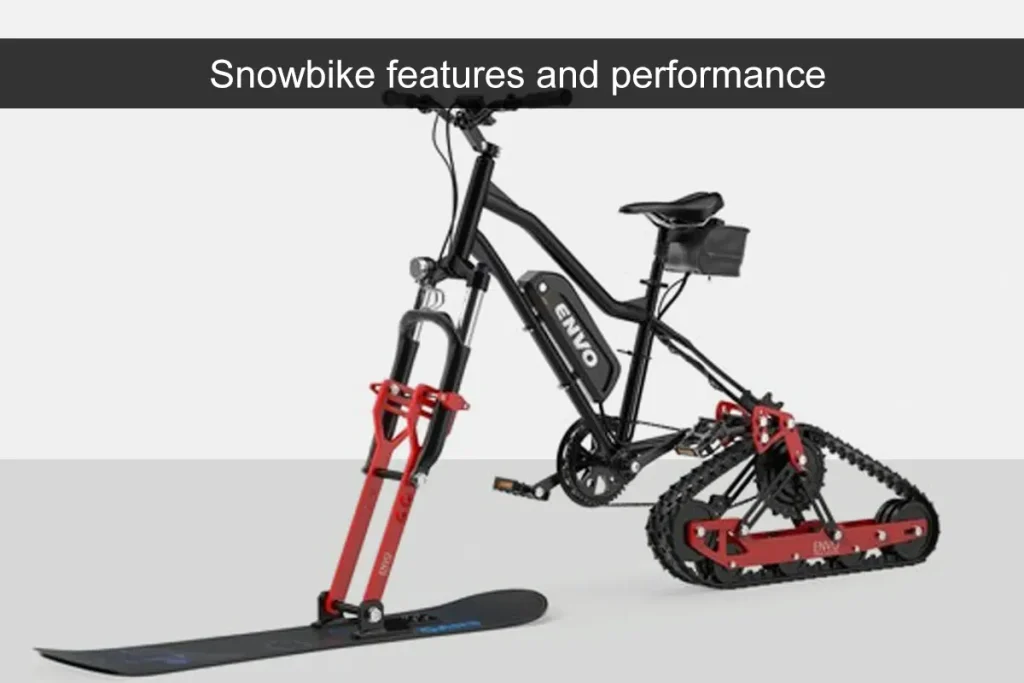
2.Snowbike features and performance
- Adaptable to various terrains: Snowbike can not only be ridden in the snow, but also in extreme road conditions such as mountains and beaches, with high adaptability and stability. The design of wide tires increases grip and reduces the risk of slipping and falling into the snow.
- Easy to operate: The operating logic of snowbike is similar to that of ordinary bicycles and is suitable for beginners. It is easy to control for experienced skiers and novices who have never skied, especially for beginners, the stability of Snowbike helps to master the center of gravity.
- Environmentally friendly and sustainable: Snowbike is an environmentally friendly means of transportation. It uses electric drive to reduce the noise and emission problems of traditional snowmobiles. It is suitable for use in environments that require quietness and environmental protection.
3.Usage scenarios of snowbike

4.What is the difference between snowbike and snowmobile?
Structural Design
Snowbike: These are usually modified off-road motorcycles or mountain bikes with ski attachments on the front wheel and a track system on the rear wheel. This allows riders to operate them like motorcycles but adapt to snowy conditions. Snowbike structures are lighter and more agile, typically with only one seat.
Snowmobile: These resemble small cars with ski attachments on the bottom and a track system on the rear. They are larger and heavier in design, typically able to accommodate two or more people. They have powerful engines inside, specifically designed for fast and smooth travel through snowy terrain.
Driving Experience
Snowbike: The driving experience is closer to motorcycling, and riders need to use their body balance to turn and control speed. It places a greater emphasis on body flexibility and is suitable for riders who enjoy extreme sports.
Snowmobile: The operation is more like driving a car, with steering controlled by a steering wheel or control lever, making turns and acceleration smoother. The driver does not need to make too many body movements, making the operation relatively simple.
The nature of the movement
Snowbike: It is more inclined towards extreme sports and is suitable for challenging complex terrains, slopes, and snowy adventures outside ski runs. Because of its lightweight design, it is suitable for jumping and high-difficulty actions and is very popular among cross-country skiing and extreme skiing enthusiasts.
Snowmobile: It is mainly used for long-distance travel, snow exploration, or fast commuting. Although it can also be used on rugged terrain, it is more often used for snow patrol, rescue, or leisure riding.
Speed and Power
Snowbike: Because of its lightweight structure and smaller engine, it typically has lower top speeds and horsepower, but performs better on technical terrain.
Snowmobile: Equipped with a powerful engine, it can travel faster and with more power, allowing for quick travel over large, flat areas of snow.
Usage scenarios
Snowbike: suitable for individual sports enthusiasts, especially for slopes and trails in ski resorts, and even for off-road skiing in extreme conditions.
Snowmobile: widely used for snow transportation, long-distance snow travel, and rescue and search and rescue work.
5.What are the factors to consider when choosing a suitable snowbike?

6.What are the unique advantages of snowbike?
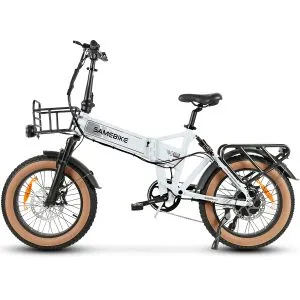
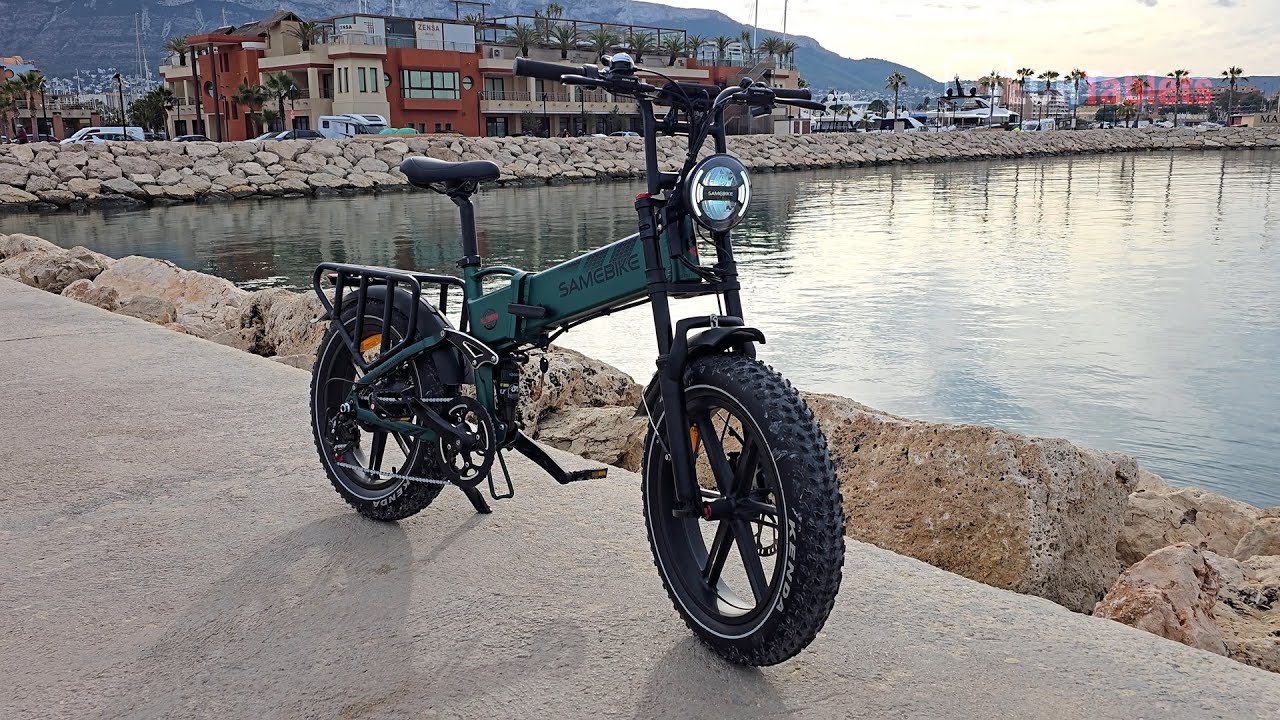
- First, snow bikes use wide tires, usually 4.0-4.8 inches wide, which increases the contact area to reduce pressure and enhance grip. This design makes it difficult for the bike to slip or sink into the snow when riding in the snow, greatly improving the stability and safety of riding. In addition, wide tires increase riding comfort and reduce resistance during riding.Actually,it is different from road bike tires,so people should choose carefully.
- Secondly, the design of snow bikes enables them to perform well in extreme road conditions such as snow and sand. This type of bike is not only suitable for use in winter snow, but can also be ridden in environments such as beaches and deserts, demonstrating its strong off-road capabilities. This versatile feature makes snow bikes an ideal choice for adventure and outdoor activities.
- Finally, the use of snow bikes is very extensive. In addition to being used in winter snow, it can also be transformed into an ordinary mountain bike in summer after replacing tires to adapt to different road conditions. This flexibility makes snow bikes a versatile means of transportation that can be used all year round.
7.FAQ about snowbike
A snow bike is a type of sports equipment designed specifically for riding in extreme road conditions such as snow and sand. It combines the characteristics of alpine skiing and mountain biking, making riding on snow easier and safer. Mountain bikes are mainly used on roads such as mountains, sand, and gravel roads, emphasizing stability in complex terrain.
Tire characteristics
The tire width of a snow bike is usually 4.0-4.9 inches, and the tire pressure is low, which gives the tire better grip and anti-skid effect on the snow. The tires of mountain bikes are relatively narrow and have higher tire pressure, which is suitable for providing better handling and speed on various terrains. Snow tires use a special rubber formula and deep tread design to increase friction with the ground and prevent slipping. Ordinary mountain bike tires use natural rubber, with shallow treads, which are suitable for a variety of terrains.
Other differences
In addition to tire characteristics, snow bikes and mountain bikes also differ significantly in weight and size. Snow bikes are heavier and larger due to their wide tires and low tire pressure, which affects their handling and speed to a certain extent. Mountain bikes, on the other hand, are relatively lighter and more suitable for fast and long rides. In addition, snow bikes can be replaced with narrow tires in the summer and become ordinary mountain bikes, while mountain bikes cannot adapt to the snowy environment.
Helmet: Always choose best bike helmets to protect the head.
Goggles: Use goggles to protect your eyes from snow and wind.
Layered clothing: Wear waterproof and thermal insulation materials in layers to keep warm and dry.
Gloves: Wear thermal gloves to keep your hands warm and provide a good grip.
Check the equipment:
Snowbike condition: Check the snowbike for any mechanical problems before riding, including brakes, tires, and steering
Battery condition: Make sure the battery is charged and in good working order, especially in cold temperatures.
Maintain visibility:
Use bright colors or reflective equipment to increase your visibility to others
If riding in low-light conditions, consider using lights on your bike.


 English
  German
  Italian
  Dutch
Dutch  Danish
  French
  Spanish
  Finnish