As cities grow busier and streets become more crowded, the quest for the ideal urban mobility solution intensifies.
Enter mopeds and electric bikes (e-bikes), two contenders that have rapidly gained popularity among city dwellers for their convenience, eco-friendliness, and ability to weave through traffic with ease. Let’s explore more about moped vs electric bike.
But with so many options on the market, how does one choose between the speed and agility of a moped and the sustainable, pedal-assisted charm of an e-bike?
Understanding the nuances between these two modes of transport is crucial for potential users and businesses looking to tap into the urban mobility trend.
As we dive deeper, keep in mind that the best choice ultimately depends on your specific needs and lifestyle. Will it be the classic appeal of the moped or the modern allure of the e-bike?
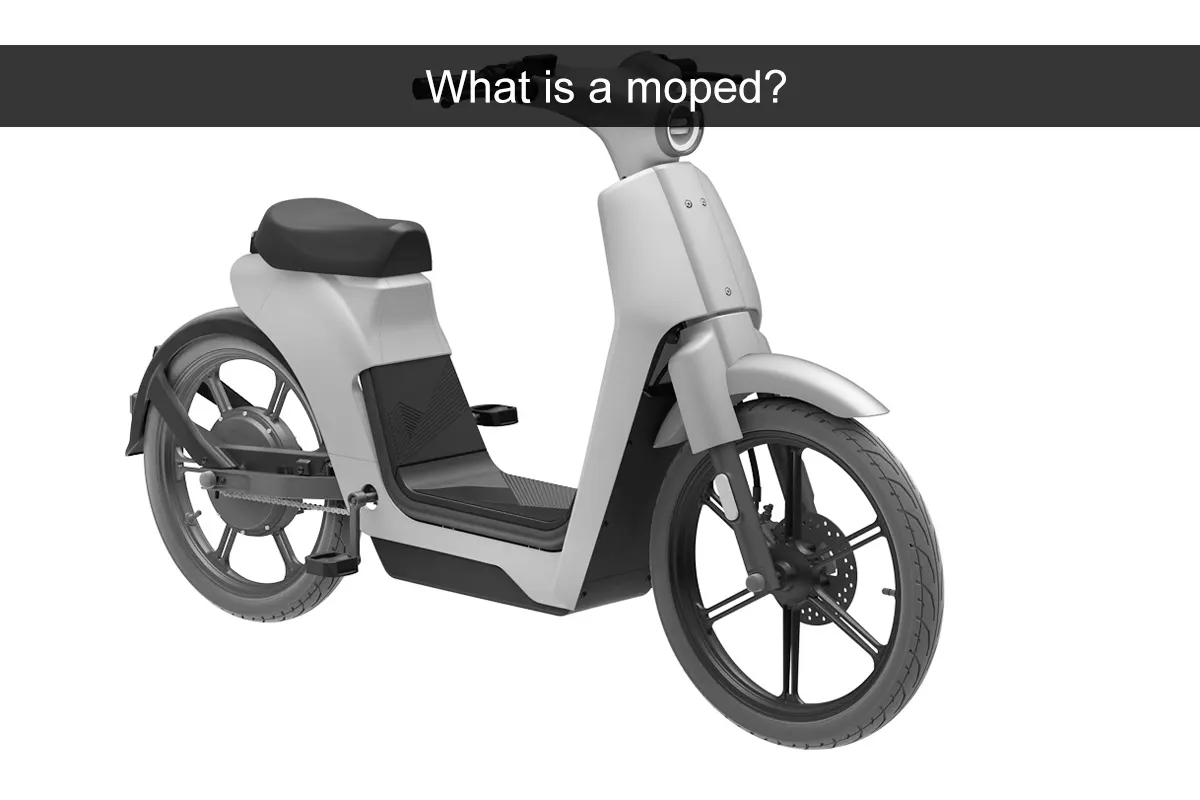
What is a moped?
A moped is a blend of a bicycle and a motorcycle, equipped with a low-powered engine and, in many cases, pedals. This hybrid offers an economical and accessible mode of transportation, ideal for navigating urban landscapes.
Typically, mopeds have engines up to 50cc, limiting their top speed to about 28-30 mph, which perfectly suits city commuting but not high-speed roads.
Key characteristics
Engine size and speed: Mopeds are powered by small engines, usually not exceeding 50cc, which contributes to their modest speed capabilities. This makes them suitable for city streets rather than highways.
Legal requirements: Riding a moped often requires adherence to specific legal standards, including age restrictions, licensing, and sometimes registration, depending on the jurisdiction.
These regulations aim to ensure rider safety without the extensive requirements associated with larger motorcycles.
Usage and limitations
Urban mobility: Mopeds shine in urban settings where their speed limitations pose no issue. They offer a convenient way to dodge traffic jams, find parking easily, and enjoy an open-air journey.
What is an electric bike?
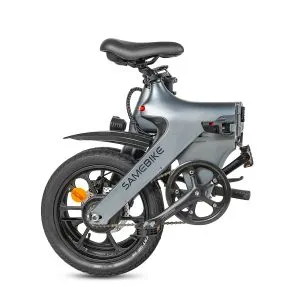
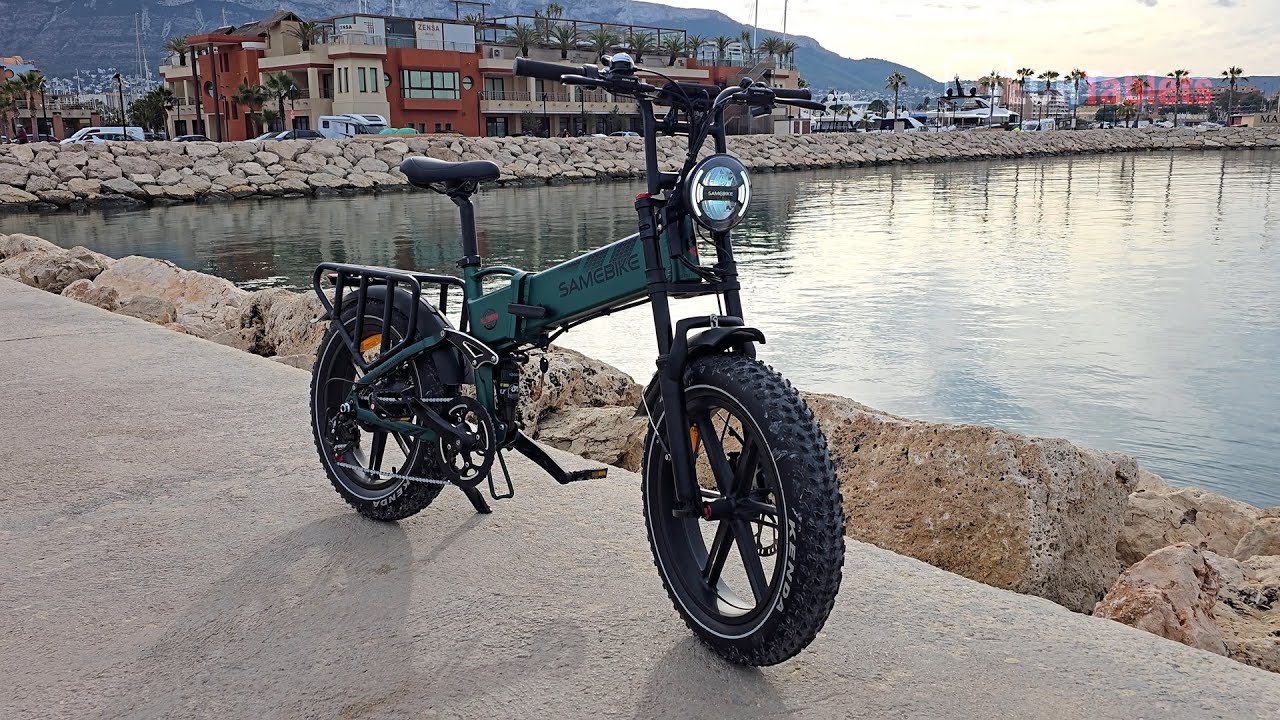
Electric bikes, commonly referred to as e-bikes, are bicycles equipped with an electric motor that offers pedal assistance to the rider.
This innovative feature allows for smoother rides, less physical strain, and the ability to cover longer distances compared to traditional bicycles.
Classes and legal standards
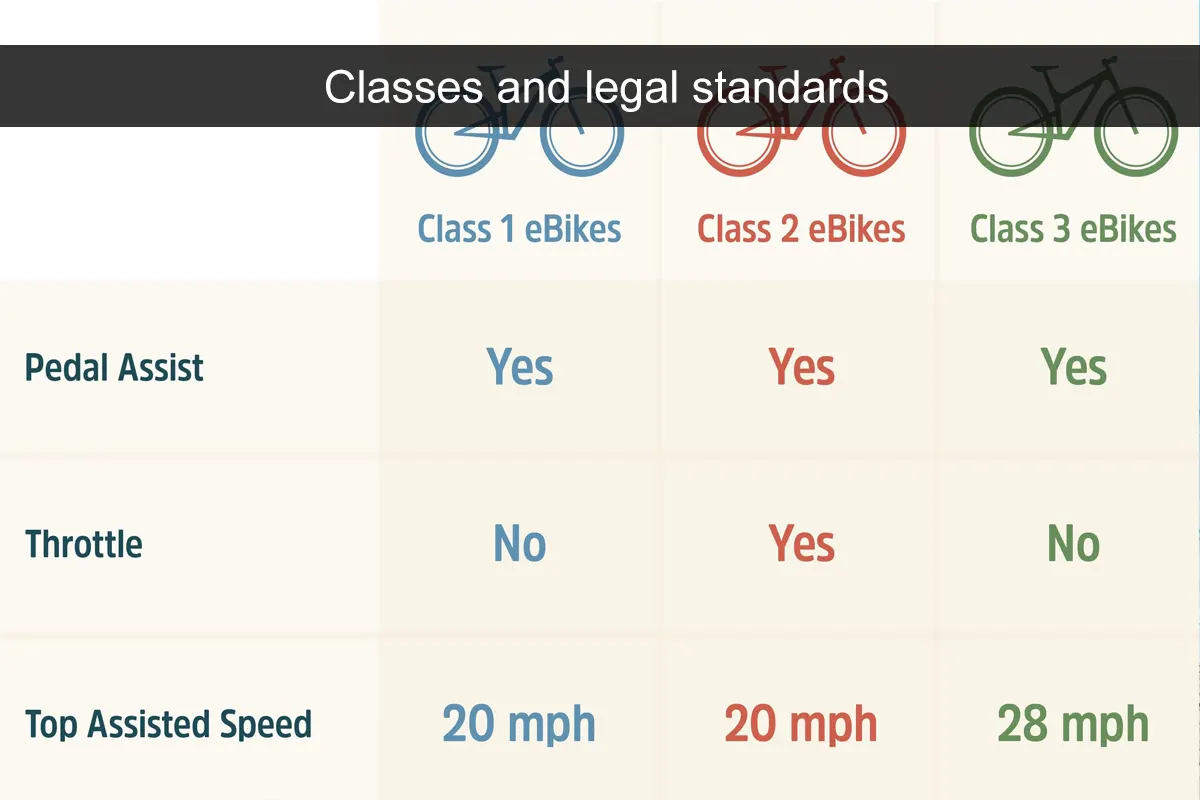
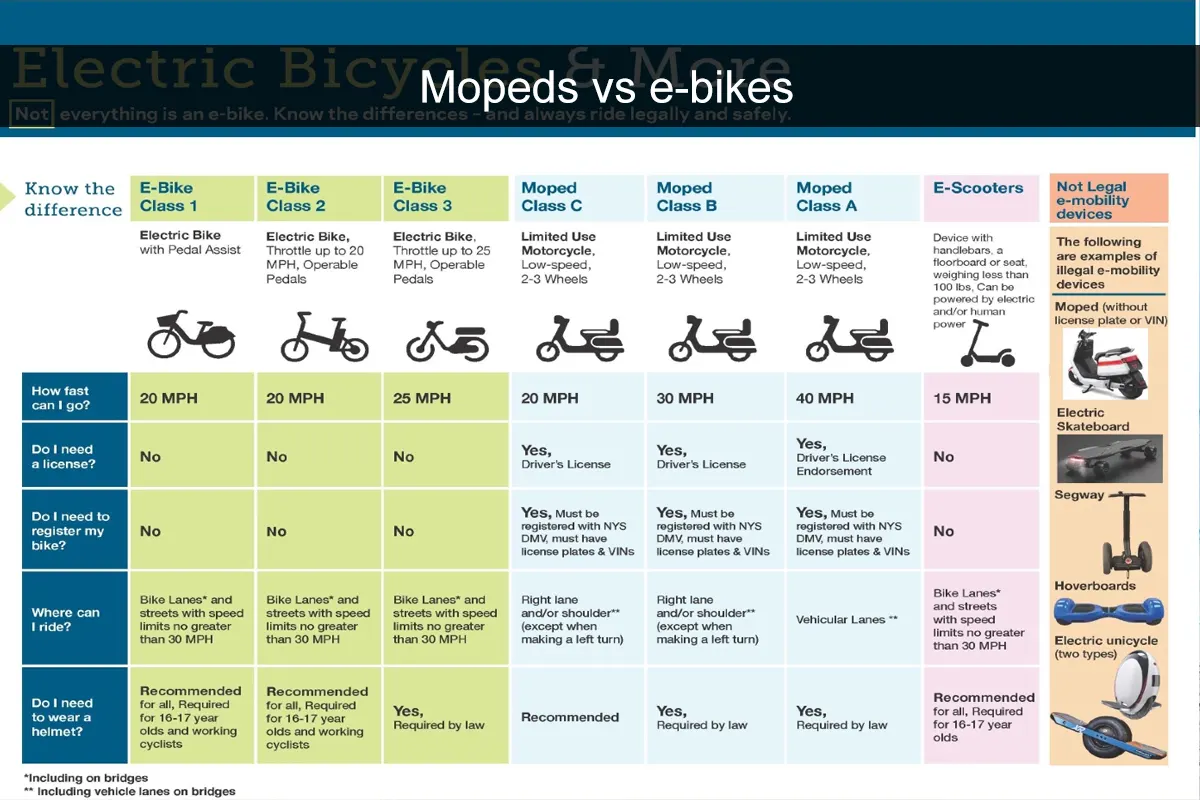
E-bikes are categorized into three main ebike classes based on how the motor assists and the maximum speed it provides:
- Class 1: The motor only assists while pedaling and stops assisting when speeds of 20 mph are reached.
- Class 2: Offers pedal assistance and can also propel the bike without pedaling up to 20 mph.
- Class 3: Similar to Class 1 but includes a speedometer and can assist up to 28 mph.
Different regions have varying legal standards for e-bike usage, including age restrictions, helmet requirements, and where they can be ridden.
It’s essential for e-bike owners to familiarize themselves with these regulations to ensure safe and lawful riding.
Benefits over traditional bikes
The primary advantage of e-bikes lies in their pedal-assist feature, making cycling accessible to a broader range of people, including those who may find traditional cycling too physically demanding.
E-bikes are ideal for commuting as they reduce sweat and effort, allowing riders to arrive at their destinations feeling fresh.
Comparative analysis: performance and utility
When it comes to urban mobility, mopeds and electric bikes (e-bikes) each present unique advantages tailored to different needs and preferences. Here’s how they compare in terms of performance and utility.
Performance
Speed differences between moped vs electric bike: Mopeds typically offer higher top speeds than e-bikes, with many models capable of reaching up to 28 mph. E-bikes, particularly Class 3, can assist up to 28 mph but are generally used at lower speeds for safety and compliance with local laws.
Range differences between moped vs electric bike: E-bikes shine in their range capabilities, with some models offering over 100 miles on a single charge, depending on the battery size and riding conditions. Mopeds, while fuel-efficient, are limited by their fuel tank size and the availability of fuel stations. Who are the top 10 two-wheeler battery companies in the world?
Terrain handling differences between moped vs electric bike: E-bikes are versatile across various terrains, thanks to their pedal-assist feature and the ability to manually pedal. Mopeds, with their motorized nature, perform well on flat surfaces but may struggle on steeper inclines without pedal assistance.
Utility
Urban commuting for moped vs electric bike: E-bikes are increasingly popular for urban commuting, offering a sweat-free ride with the convenience of arriving at your destination fresh. Mopeds also serve well in urban settings, especially for longer commutes where their speed can reduce travel time.
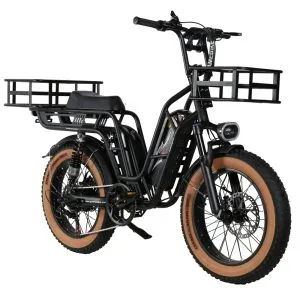
Delivery services for moped vs electric bike: Both mopeds and e-bikes are valuable for delivery services. E-bikes, in particular, offer the advantage of accessing bike lanes and areas restricted to motorized traffic, potentially making for quicker deliveries in dense urban areas.
Recreational use for moped vs electric bike: E-bikes extend the joy of cycling to more people by reducing the effort required to pedal, making them ideal for leisurely rides and exploring. Mopeds, while also fun, offer a different experience focusing more on the ride than the exercise.
Moped vs electric bike
| Feature | Mopeds | E-bikes |
|---|---|---|
| Environmental impact | Generally low, but depends on fuel type | Very low, especially if charged from renewable sources |
| Required gear | Helmet, possibly more depending on local laws | Helmet, and additional protective gear recommended |
| Storage | Requires more space due to larger size | More compact, some models are foldable for easy storage |
Environmental impact and sustainability
When evaluating the environmental footprint of mopeds versus electric bikes (e-bikes), it’s essential to consider emissions, energy consumption, and overall sustainability.
Emissions and energy consumption
Mopeds, traditionally powered by gasoline engines, contribute to air pollution through exhaust emissions.
Although modern mopeds are more fuel-efficient and cleaner than their older counterparts, they still burn fossil fuels, releasing carbon dioxide and other pollutants into the atmosphere.
E-bikes, powered by electricity, boast nearly zero direct emissions. Their environmental impact largely depends on the source of electricity; if charged from renewable energy sources, their carbon footprint is minimal.
Sustainability
From a sustainability perspective, e-bikes have a clear advantage. They not only reduce pollution but also encourage a shift towards greener, renewable energy sources.
The production and disposal of e-bike batteries do raise environmental concerns, but advancements in battery technology and recycling processes are mitigating these impacts.
Mopeds, while offering an economical mode of transport, rely on finite fossil fuels and contribute to urban air pollution.
Cost considerations: initial and ongoing expenses
When navigating the choice between mopeds and electric bikes (e-bikes), cost considerations play a crucial role.
Understanding both the initial purchase costs and the ongoing expenses can help you make an informed decision that suits your budget and lifestyle.
Initial purchase costs
Typically, the initial cost for an e-bike can range widely based on model and features, from affordable options to high-end models. Mopeds, similarly, vary in price, often depending on engine size and brand.
Generally, both vehicles offer a range of prices, but e-bikes can be slightly more expensive upfront due to advanced technology and battery systems.
Maintenance expenses
E-bikes boast lower ongoing maintenance costs(e-bike maintenance tips), mainly because electric motors require less upkeep than gasoline engines.
The primary long-term cost for e-bikes revolves around battery replacement. Mopeds, while requiring more frequent maintenance for their mechanical parts and engine, involve costs for fuel, oil changes, and potentially more frequent repairs.
Potential savings
Both mopeds and e-bikes offer significant savings over cars, especially when considering fuel costs, insurance, and parking fees.
E-bikes can further reduce costs by using electricity for charging, which is typically cheaper than gasoline. Additionally, the physical health benefits of e-bikes may translate to reduced healthcare expenses over time.
While e-bikes might present a higher initial investment, their long-term savings potential, especially in terms of maintenance and operational costs, can be more advantageous. Mopeds offer their own set of benefits, including potentially lower upfront costs.
Considering both the immediate and ongoing financial implications will guide you toward the best choice for your transportation needs and economic circumstances.
Final words
In choosing between moped vs electric bike, consider your urban mobility needs. Mopeds offer quick, efficient urban transit, while e-bikes bring eco-friendliness and health benefits to the forefront.
As we move towards sustainable transportation, e-bikes stand out for their minimal environmental impact and adaptability.
This choice not only reflects personal or business preferences but also aligns with the broader vision for greener cities.
Embrace the future of transportation by exploring e-bike options with one of the excellent electric bike suppliers in world – SAMEBIKE, enhancing both your lifestyle and urban mobility solutions.