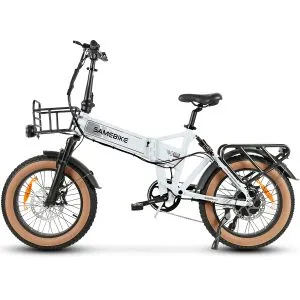
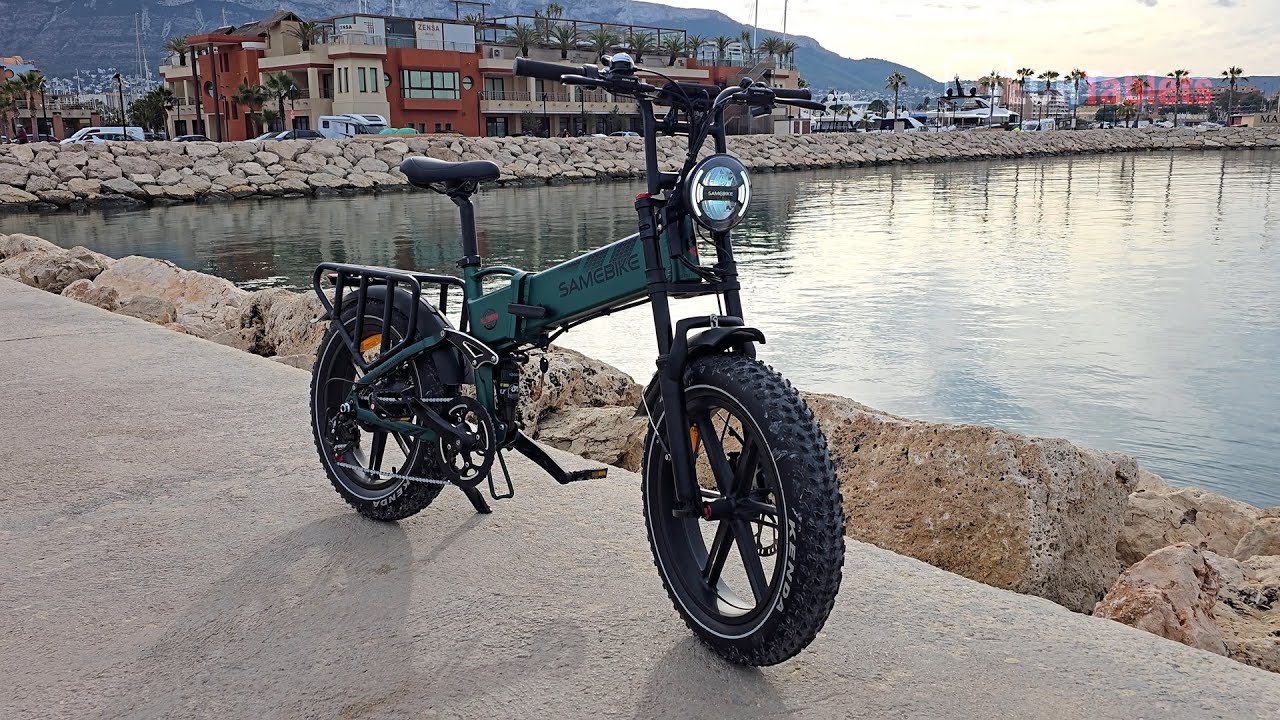
The difference between a smooth ride and a bumpy one on your fat tire electric bike might just be the air in your tires. These rugged bikes are built for adventure, but without the correct fat tire ebike tire pressure, they can’t live up to their full potential.
Proper tire pressure is essential not just for maintaining the bike’s efficiency but also for ensuring your safety on various terrains.
Today, we’ll explore how a simple tweak to your tire pressure can significantly impact your ebiking experience, highlighting both performance enhancements and safety benefits.
Maintaining optimal fat tire ebike tire pressure
For utilizing fat tire e-bikes, whether for rental services, tours, or deliveries, maintaining optimal tire pressure, typically ranging from 8 to 20 psi, is crucial for efficiency and safety.
Regular pressure checks help prevent unexpected downtime due to flat tires or poor handling, ensuring that your fleet is always ready for operation.
This routine can significantly reduce emergency maintenance costs and increase the longevity of the e-bikes.
How to check tire pressure
Checking the e-bike tire pressure should be a standard part of the pre-ride inspection process for any business operating ebikes. Use a reliable digital or analog pressure gauge to measure the psi level.
It’s important to compare the readings with the manufacturer’s recommended pressure levels, typically found on the sidewall of the tire or in the owner’s manual.
Adjustments should be made based on these findings and the specific requirements for the day’s riding conditions.
Factors influencing fat tire ebike tire pressure
Several factors need consideration when setting the tire pressure for fat tire e-bike:
- Rider weight and cargo load: Heavier loads require higher tire pressures to prevent rim damage and enhance the bike’s handling.
- Terrain: Lower pressures are better for soft or rugged terrain to increase traction and provide a smoother ride, while higher pressures might be preferable for paved or firm surfaces to improve speed and reduce rolling resistance.
Benefits of optimal tire pressure
Proper tire pressure maximizes the performance of ebikes by:
- Enhancing the traction and stability, crucial for safety and handling.
- Reducing the rolling resistance, which can lead to increased battery life and range.
- Decreasing the wear and tear on tires, thereby extending their lifespan and reducing replacement costs.
10 ways to keep your fat tire ebikes in top condition
For managing fleets of fat tire ebikes, maintaining these bikes in top condition is crucial for ensuring reliability, safety, and customer satisfaction. Here are 10 ways to keep your fat tire ebikes in excellent condition:
Regular tire pressure checks
Establish a routine for regular tire pressure checks to prevent tire wear and maintain optimal performance. Equip your staff with high-quality, accurate pressure gauges and train them on the correct pressures for different models and conditions.
Consider implementing tire pressure sensors that provide real-time data to a central system, allowing for proactive maintenance and ensuring all bikes are ready for use.
Battery care and charging
Develop a detailed protocol for battery care. This includes training all staff on the correct handling and storage procedures, ensuring batteries are charged using only the manufacturer-recommended chargers, and monitoring the battery’s health with diagnostic tools.
Set up a dedicated charging area that allows for the control of charging times and conditions, minimizing battery degradation over time.
Brake maintenance
Implement a comprehensive inspection routine for brakes to ensure they are responsive and safe.
This routine should include checking for wear on brake pads, ensuring that the hydraulic or mechanical systems are correctly adjusted, and that brake fluid levels are adequate.
Upgrading to higher durability components can reduce maintenance needs and enhance bike safety.
Chain and gear maintenance
Regular cleaning and lubrication of chains and gears are crucial. Use quality lubricants that are suitable for the specific conditions in which your bikes are used, such as wet or dusty environments.
Incorporate a regular maintenance schedule that includes detailed checks of the drivetrain for any signs of wear or damage.
Deep cleaning sessions
Schedule deep cleaning sessions that focus on removing dirt and grime from all bike components, especially after bikes have been used in harsh conditions.
Pay particular attention to areas like the drivetrain, electronic components, and brakes. Use environmentally friendly and safe cleaning agents designed for ebikes.
Wheel and spoke care
Train your maintenance team on proper wheel and spoke care. Regularly check for and correct any misalignments or looseness in spokes, which can affect ride quality and cause uneven tire wear.
Consider investing in professional wheel truing equipment to maintain perfect wheel alignment and balance.
Inspect and replace tires when needed
Regularly inspect tires for signs of wear such as cuts, punctures, or thinning tread and replace them as necessary.
Maintain a log of tire conditions and replacement frequencies to predict future needs and manage inventory effectively.
Protective measures
Taking robust protective measures is crucial to safeguard the bikes from environmental damage and reduce the need for costly repairs. Utilizing high-quality bike covers is one of the first steps in this process.
These covers should be durable, waterproof, and designed to fit the specific dimensions of fat tire ebikes, ensuring that they provide complete protection against rain, dust, and sunlight.
Regular use and inspection
Ensure that bikes are regularly used and not left unused for long periods, as this can lead to battery and mechanical issues.
Before each ride, perform a comprehensive pre-ride inspection to check systems such as tire pressure, brakes, and electronic controls.
Professional tune-ups
Regular, professional tune-ups are essential to maintaining the reliability and performance of fat tire ebike fleets.
Partnering with professional ebike service providers ensures that the ebikes receive comprehensive maintenance that goes beyond simple routine checks.
These experts are equipped with the tools and knowledge to perform deep diagnostics that identify potential issues before they become serious problems, thereby preventing unexpected breakdowns.
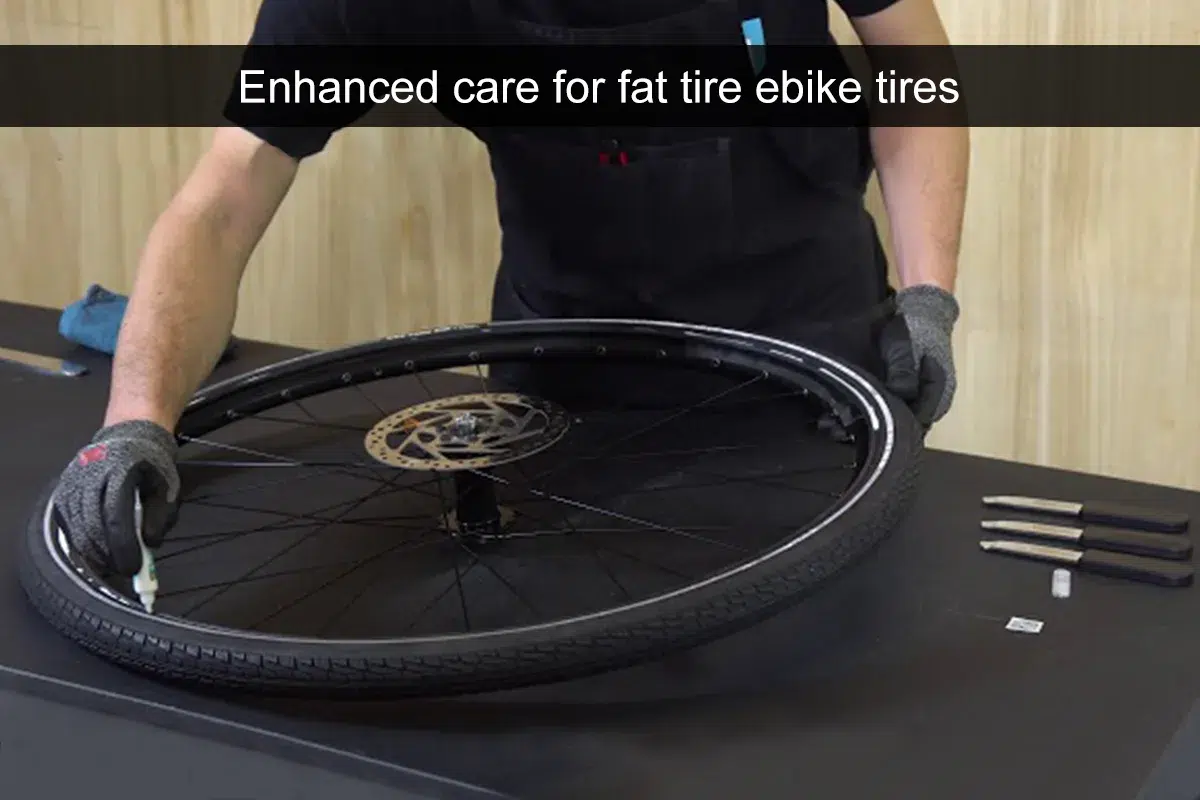
Enhanced care for fat tire ebike tires
For managing fat tire ebikes, ensuring tire longevity and performance through regular maintenance is key. Here are a few tips:
Regular tire maintenance
It’s crucial to regularly check bike tires pressure to ensure it remains within the recommended range. This prevents tire wear and tear, maintains battery efficiency, and keeps rides stable.
Tool essentials
Have the right tools on hand, such as a dedicated fat tire pump with a proper gauge to avoid over-inflation and ensure accurate pressure levels.
Optimal storage practices for fat tire ebikes
When it comes to storing fat tire ebikes, especially during off-seasons or less frequent use periods, certain practices can significantly extend the life of your ebikes:
Controlled environment
Store ebikes in a cool, dry place to prevent moisture damage and extreme temperature effects, ideally between 32°F and 68°F.
Battery care
For prolonged storage, remove the battery and keep it at a 50% charge level, checking and adjusting the charge periodically to maintain battery health.
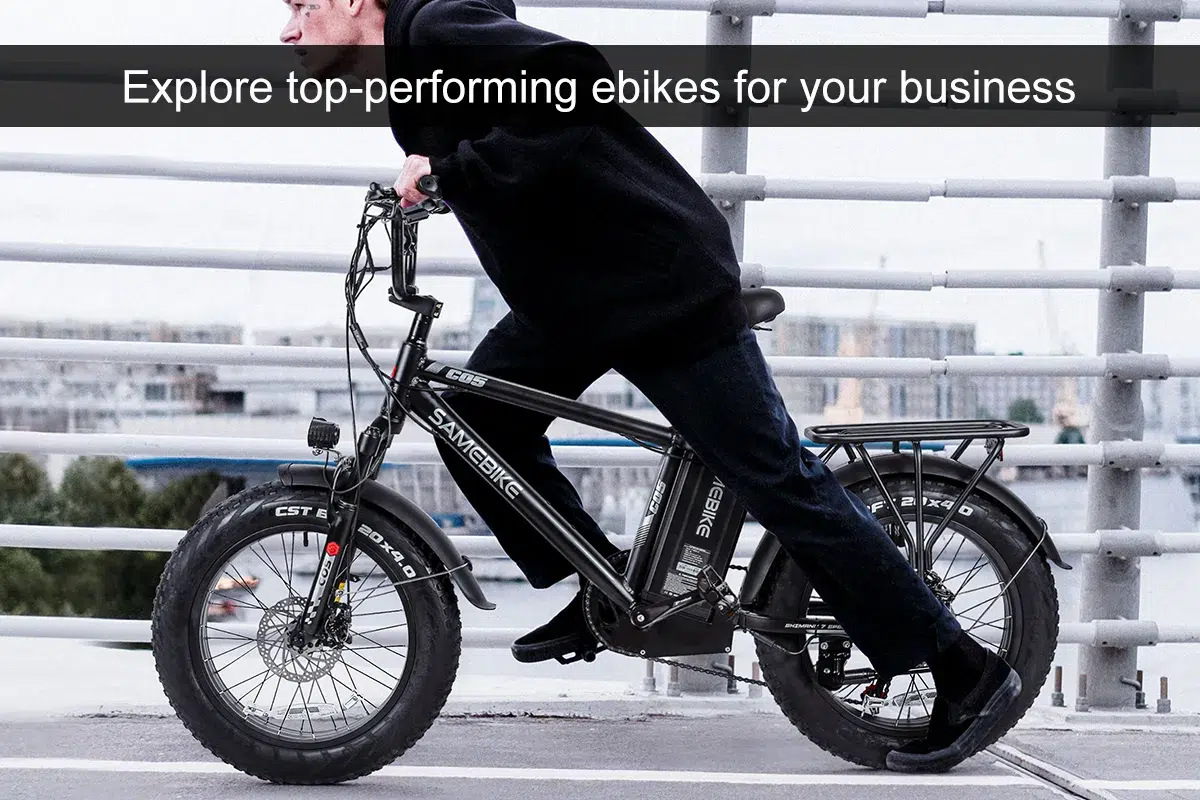
Explore top-performing ebikes for your business
In the electric bikes business, staying ahead means leveraging the latest advancements tailored to diverse business needs.
Modern ebikes come equipped with features that can significantly enhance operational efficiency and rider satisfaction, from robust motor systems to advanced frame designs.
Motor enhancements
Recent developments in motor technology, such as mid-drive systems, offer better control and responsiveness, making bikes easier to handle in various conditions.
This innovation is crucial for businesses that require reliable transportation in urban environments or rugged terrains.
Frame innovations
With the introduction of lightweight materials like carbon fiber and aluminum alloys, ebikes are not only easier to handle but also more durable and cost-effective.
Such advancements make them suitable for a wide range of business applications, from delivery services to rental fleets.
Smart features
The integration of connected technologies in ebikes provides real-time data tracking and management, enhancing the functionality of fleet operations.
Features like GPS navigation and automatic gear shifting cater to efficiency and convenience, which are vital for business operations.
Sustainable practices
As the focus on sustainability intensifies, ebikes represent a greener alternative to traditional transportation methods.
The industry’s shift towards local production and innovative recycling for batteries highlights the commitment to eco-friendly practices, making ebikes an attractive choice for environmentally conscious businesses.
Let’s wind it up
Maintaining proper tire pressure is paramount for ensuring the safety and efficiency of fat tire e-bikes.
By adhering to manufacturer-recommended pressure levels, typically ranging from 8 to 20 psi, you can enhance traction, stability, and overall performance on various terrains.
Regular pressure checks not only prevent unexpected downtime and reduce maintenance costs but also prolong the lifespan of your e-bikes.
For expert advice and tailored solutions, consider partnering with tire pressure specialists or attending workshops dedicated to ebike maintenance.
Ready to elevate your ebike experience? Explore top-performing e-bikes tailored to your business needs with SAMEBIKE electric bike today.