Skip to content

Nowadays, e-bikes can cover long distances as cars can, thanks to the e-bike drive system. E-bike drive systems are changing how people view e-bikes, and more and more people want to own e-bikes. In this article, we will discuss what the e-bike drive system entails.


What is an e-bike drive system?
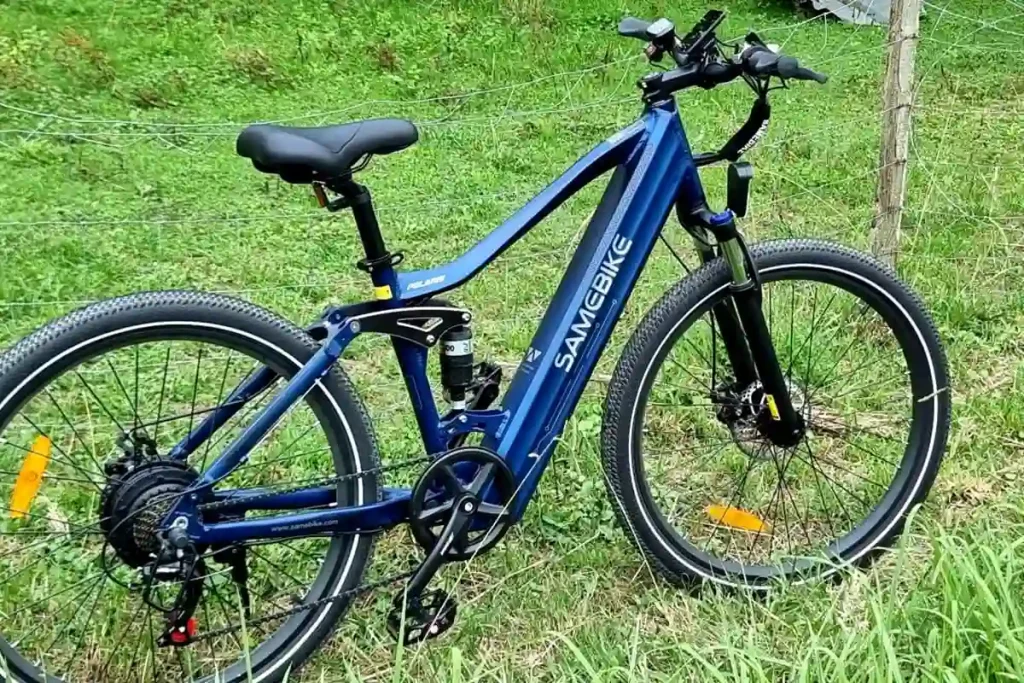
An e-bike drive system combines components that give an e-bike electric power. It does this by helping the rider reduce pedaling effort, especially when climbing a hill, navigating rough terrains, or driving long distances. The e-bike drive system can be referred to as the engine of the e-bike. It is made up of the motor, battery, and control unit.
An e-bike drive system provides electric assistance to the rider; it reduces physical strain and effort and assists in propelling or fully riding the e-bike.
When riding an e-bike, the sensors notice when the rider starts paddling; these sensors then communicate if there is an activity to the controller, and the controller then starts the motor. If there is an activity, the motor, in turn, helps to propel the e-bike forward by utilizing the electric power from the battery. Moreover, when the rider wants to stop, they might reduce how fast he pedals; this is noticed again by the sensors, and the e-bike slows down to a halt.

How to classify the types of an e-bike drive system?
E-bike drive system can be categorized into three, according to the positive of the motor, the driving method, and the function of the control system.
Position of motor
Driving method
- The first is the pedal-assist system (PAS), which works by noticing the activity on the pedals and offering assistance to the rider according to the effort put in by the rider.
- The second is the throttle control system, which functions like a motorcycle does: propelling the bike irrespective of the force applied to the pedals.
- The last system is the mixed-control system, which combines the functionality of the pedal-assist system and the throttle control system.
Function of control system
- In cadence control systems, sensors detect the rider’s effort and move the bike based on this.
- In torque control systems, the bike is propelled according to the force that is applied to the pedals by the rider.
- The advanced control system combines cadence and torque control systems, adding features like smart speed/brake, GPS sensors, and mobile app integration.

Tips for choosing an e-bike drive system
When buying an e-bike, there are some things you should consider in the e-bike drive system. These things include the common motors that e-bikes use, the battery used for e-bikes, and the control system of the e-bike.
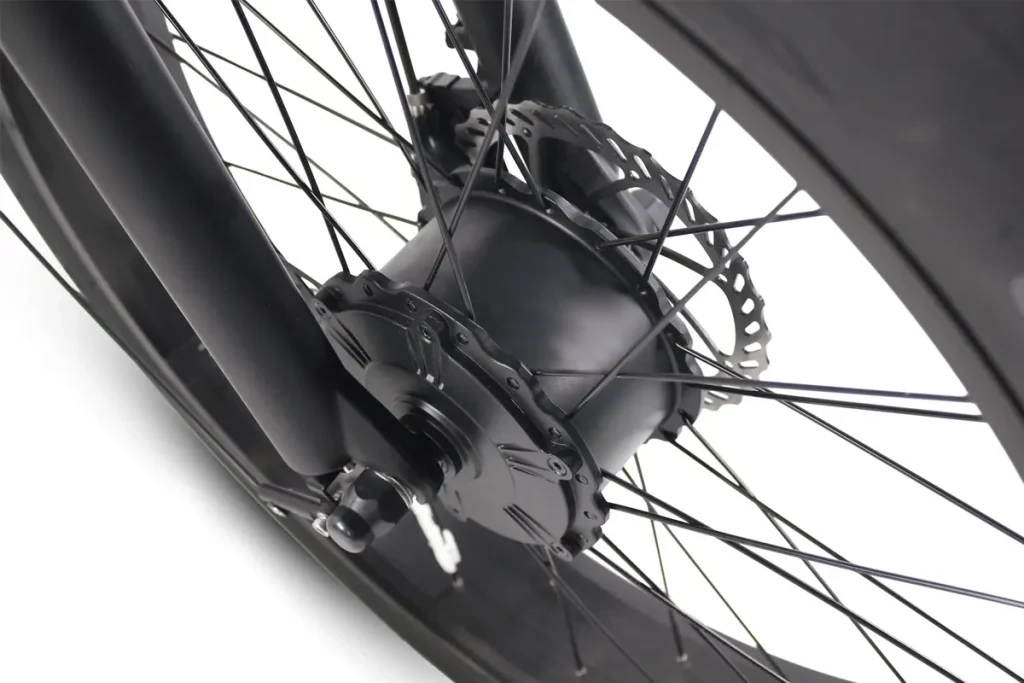
The most common motors used in e-bikes are the mid-drive, hub-drive, and friction-drive motors. You should consider your use for the bike before selecting these motors; you can choose a hub motor for bike if you want to ride your e-bike in residential areas; they are easy to navigate through traffic. Consider buying an e-bike powered by a mid-drive motor if you use your bike for recreational activities, like riding in rough terrains and long distances. Friction-drive motors can be chosen if you have a low budget.
Lithium-ion batteries are used to power e-bikes, and the power of an e-bike usually depends on its battery capacity, which is measured in Watts/Hour. Lithium-ion batteries for e-bikes normally range from 300Wh to 1000Wh. A battery that has high energy density can last very long hours. When considering purchasing an e-bike drive system, you should also consider where to get a good battery and remember the guidelines of e-bike battery safety.
Furthermore, an e-bike is controlled via a system. The control system assists the motor and allows the rider to see vital motor information. You can control an e-bike by using pedal assist, which means the motor helps you move the bike forward by detecting that you are propelling, or throttle control, which doesn’t necessarily require pedaling. There is also a control panel, which contains control buttons for different modes of the e-bike, like eco, normal, and turbo modes.
FAQs about the e-bike drive system
What controls the speed of the e-bike drive system?
The controller, motor, and sensors help regulate the speed of the e-bike drive system.
Do e-bikes charge themselves while pedaling?
E-bikes do not charge themselves while pedaling; they are charged electrically either by taking the battery out and charging it or connecting a charger to the battery directly without taking it out.
Are e-bikes harder to pedal than regular bikes?
Of course not; e-bikes are much easier to pedal than regular bikes. This is the essence of making the bikes electrically driven in the first place.
Conclusion
E-bike drive systems make an e-bike easier to ride; they consist of components such as motors, batteries, and the controller. This article entails the e-bike drive system from the classification of its motor’s position, driving method, and function of the control system. And some knowledge about a e-bike drive system is mentioned in this article. In addition, for the convenience of purchasing a right e-bike, there are some tips for the purchasers to make a right choice.


 English
  German
  Italian
  Dutch
Dutch  Danish
  French
  Spanish
  Finnish